
For years, Gabriella Papadakis and Guillaume Cizeron were presented as the gold standard of ice dance: elegant, innovative, and seemingly inseparable in competition. That image has now been shaken by Papadakis’ memoir Pour ne pas disparaître (“So as Not to Disappear”), released in France on January 15, 2026. In public excerpts and follow-up interviews, Papadakis described the partnership as deeply unequal and emotionally damaging, turning what many fans once saw as a perfect sporting alliance into one of the most debated stories in figure skating this year.
The shock is amplified by who they were together. Papadakis and Cizeron became one of the most decorated duos in ice dance, winning Olympic gold in Beijing in 2022, an Olympic silver, five world titles, five European crowns, and two Grand Prix Finals before ending their sporting partnership in December 2024. Their routines were praised for precision and originality, so the memoir’s darker portrait has forced fans to revisit not only their legacy, but also the hidden cost that may have sat behind that excellence for years.
According to publicly reported excerpts, Papadakis says the partnership evolved into something far more controlling than outsiders understood. In Associated Press coverage carried by WTOP, she described a “controlling” and “demanding” dynamic and said she felt increasingly under his grip over time. In later interviews, she expanded that idea further, arguing that the relationship functioned as long as she accepted a secondary role, but became harder once she tried to stand as an equal. That claim is the core of why the book has sparked such intense reaction online.
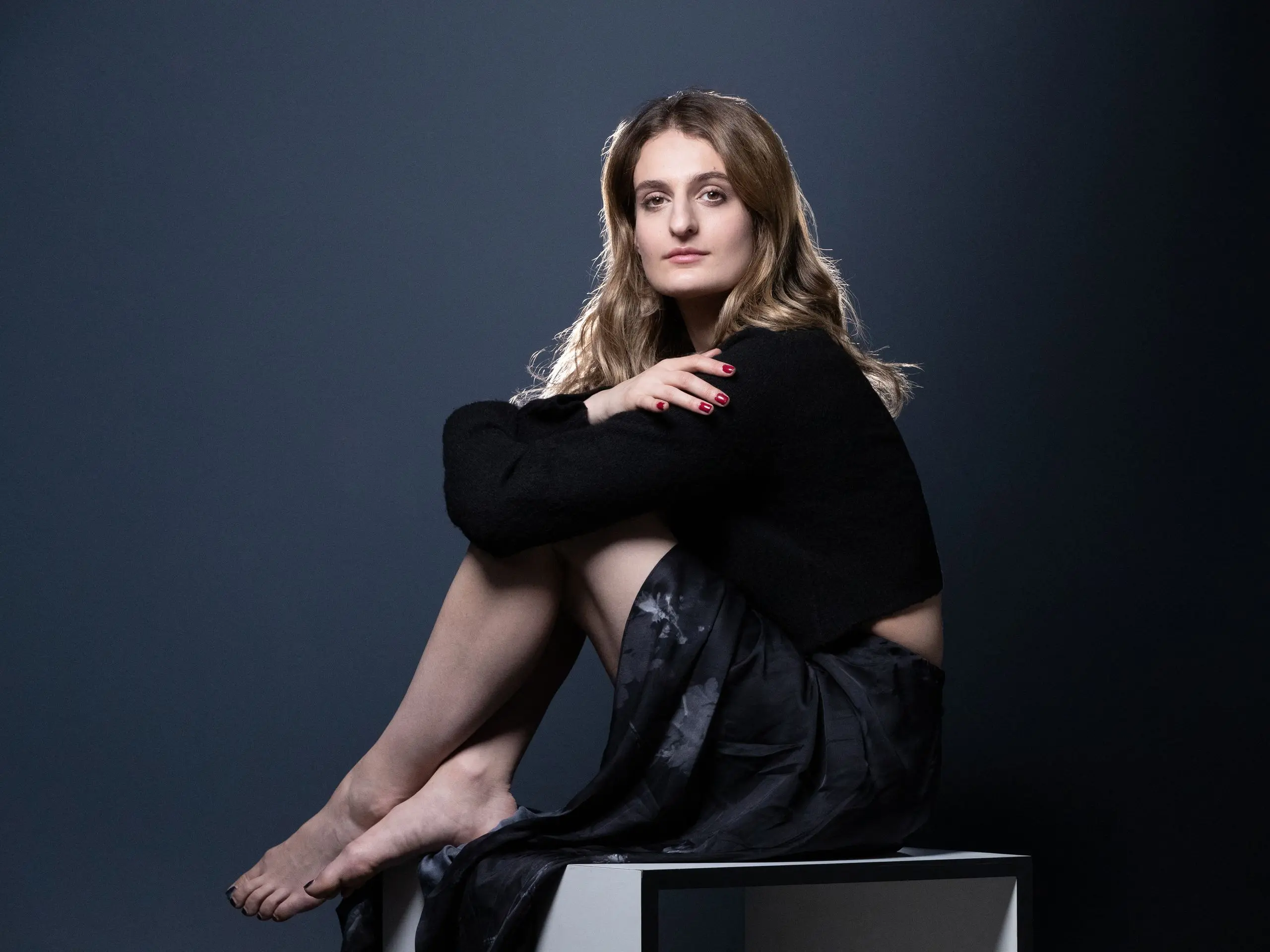
The most talked-about detail in the memoir is not a sensational backstage anecdote, but Papadakis’ claim that fear had entered the partnership by the end. AP reported that she wrote there came a point when the idea of being alone with Cizeron frightened her. Vogue’s interview added another layer, saying that even seeing his name on her phone eventually triggered panic. For many readers, that private emotional shift is the “secret” that changes the entire story: not one dramatic public explosion, but a slow deterioration she says she hid while still performing at the sport’s highest level.
Papadakis also linked that personal account to specific examples she says revealed how much control had accumulated over the years. In Vogue, she alleged that Cizeron did not want her practicing some elements alone, objected to changes in her appearance, intervened in her boxing training, and resisted clothing choices she wanted for Olympic competition. She framed those moments not as isolated disagreements between elite athletes, but as part of a broader pattern that left her feeling cornered. In her telling, the polished image seen by audiences concealed a relationship she experienced as mentally and physically dangerous.
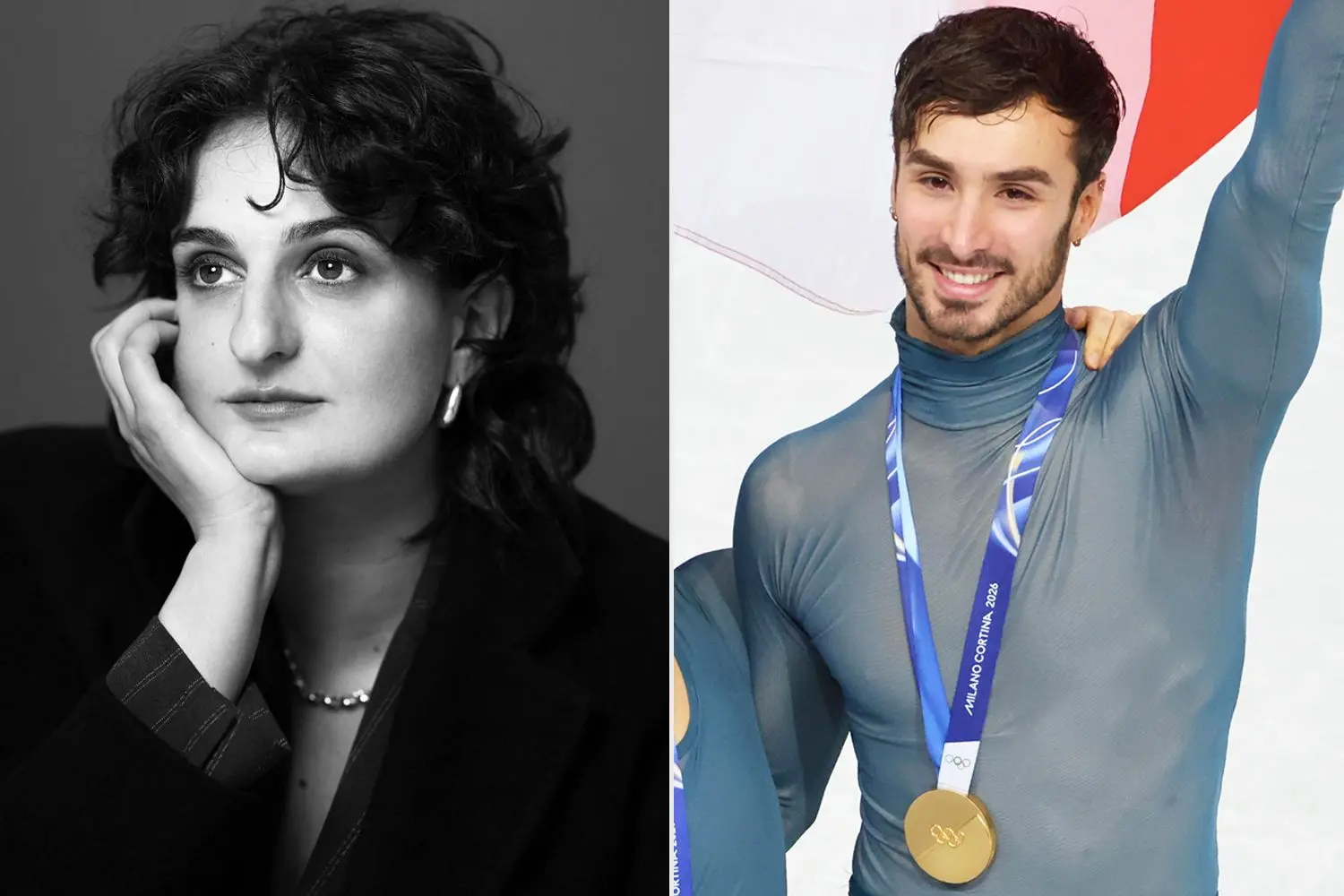
One of the memoir’s most striking revelations is Papadakis’ insistence that retirement was not fully her choice. She told Vogue she felt “pushed out” of her own career, and the same idea resurfaced in later reporting when she explained that what many people interpreted as a graceful step away from competition felt very different from inside the situation. In the book and interviews, she ties that loss not only to one relationship, but to an entire structure within ice dance that can leave women feeling replaceable, dependent, and pressured to endure unhealthy dynamics to keep competing.
Papadakis has also made clear that she does not want the memoir read simply as a personal score-settling exercise. In Vogue, she said the book is about a system as much as an individual experience, arguing that reducing it to her own suffering would miss the larger responsibility inside the sport. She points to entrenched gender norms in ice dance and to the imbalance between available male and female partners as factors that can trap women in harmful situations. That broader framing has resonated strongly with readers who see her story as part confession, part critique of elite sport.
The fallout has gone far beyond literary discussion. ESPN, in an Associated Press report, said Papadakis lost a commentary role with NBC for the upcoming Winter Olympics after the dispute around the memoir intensified. She said losing the chance to begin a new career was painful and unfair, though she also said she understood NBC’s position. That consequence turned the memoir from a French sports story into an international controversy, because it suggested that telling her version of events had immediate professional costs even after retirement from competition.
Cizeron has strongly rejected Papadakis’ account. In AP reporting, he said she was spreading lies and described the book’s release as part of a smear campaign at a sensitive moment ahead of the Milan Cortina Winter Games. He also said the book contained false information and statements he says he never made. Speaking to L’Équipe, he called the allegations defamatory and said he had handed the matter to his lawyers so he could focus on competition with his new partner, Laurence Fournier Beaudry.
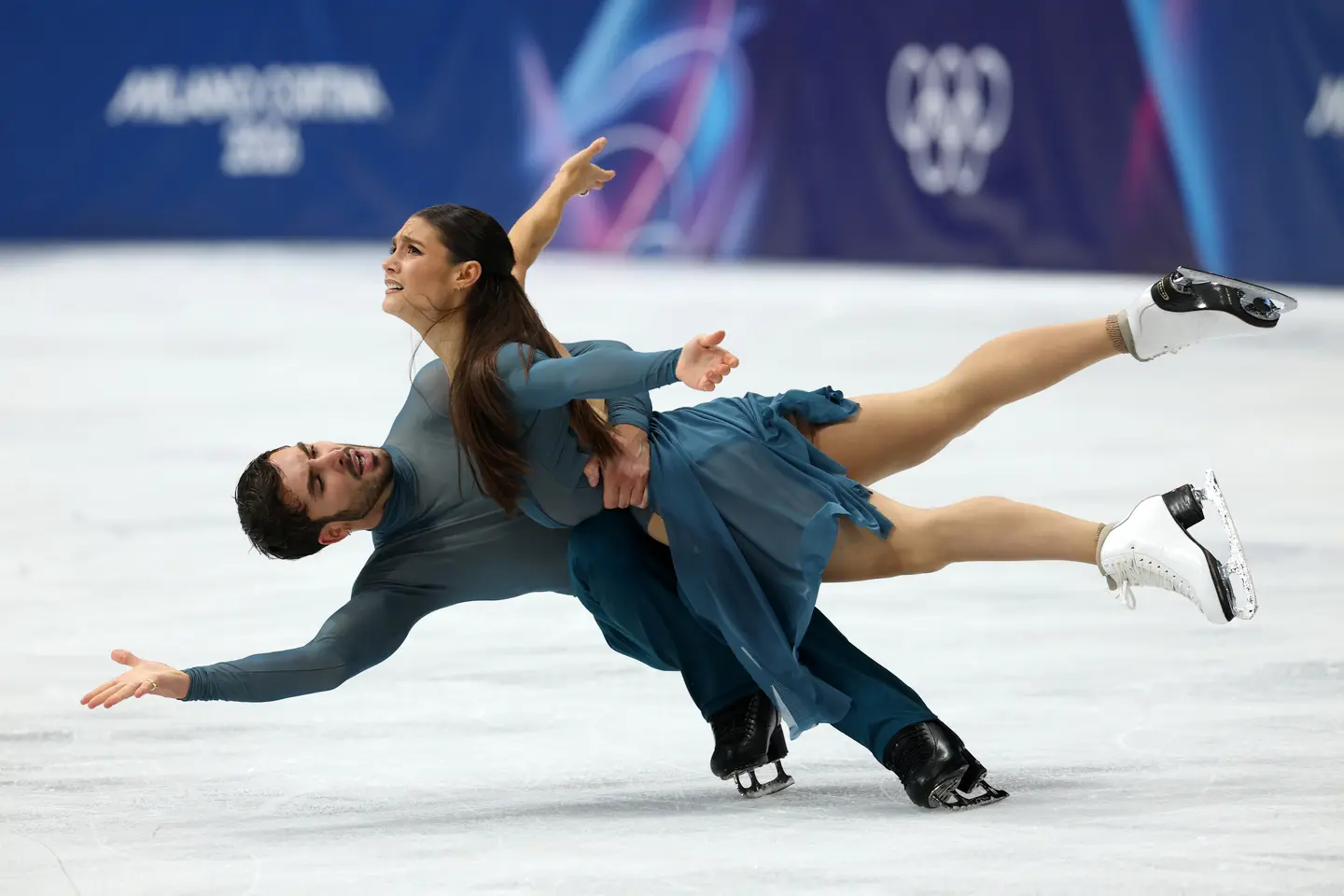
That response has only deepened the divide in public opinion. Some fans see Papadakis’ memoir as a long-delayed act of truth-telling from an athlete who spent years protecting an image that the sport benefited from. Others argue that Cizeron is right to contest what he calls false and damaging claims, especially given the timing of the book’s release around his Olympic return. What no one disputes is that the rupture is now complete: the duo who once represented perfect on-ice harmony are publicly presenting radically different accounts of the same partnership.
Another detail from Papadakis’ interviews explains why the book has hit readers so hard. She said she only began to consider whether the word “abuse” applied to her situation after Beijing 2022, when a coach compared another young skater’s treatment of a partner to behavior Papadakis recognized from her own experience. That moment, as reported by Vogue, appears to have reframed years of memories. For readers, it is the turning point that makes the memoir so unsettling: the realization did not come in the middle of the partnership, but after one of its greatest triumphs.
In the end, the book has done more than expose private pain. It has challenged the mythology around one of figure skating’s most admired partnerships and reopened uncomfortable questions about what elite performance can conceal. Papadakis says she wrote from her own perspective because that is the only perspective she can honestly claim; Cizeron says the portrayal is false and defamatory. Between those positions lies the reason this story has shaken the skating world: the public is no longer looking only at medals, music, and scores, but at the human reality that may have existed behind them