
Wyndham Clark Encounters Mixed Fan Reactions at the 2026 U.S. Open
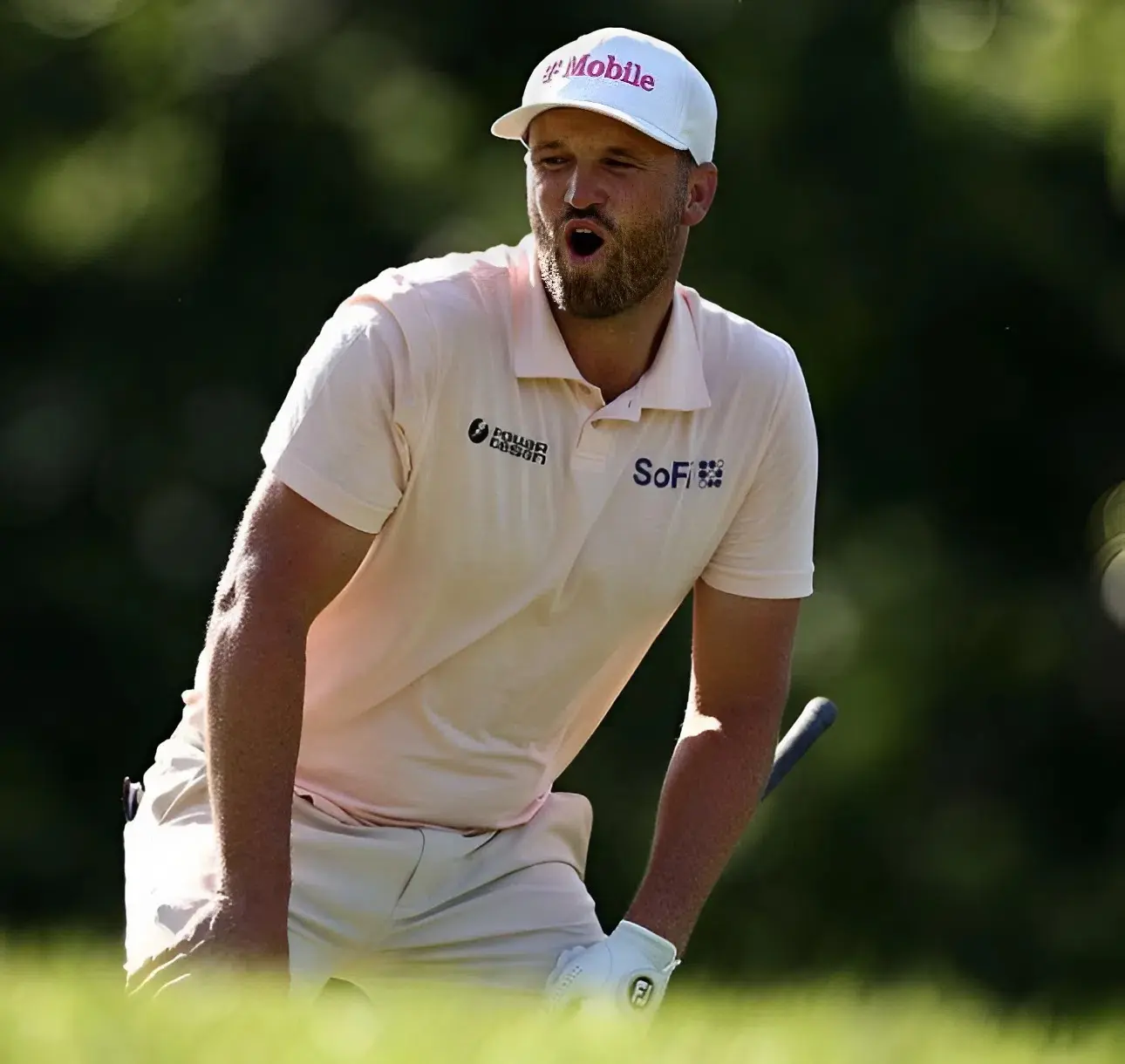
Wyndham Clark experienced varied reactions from spectators during the 2026 U.S. Open. Some fans expressed disappointment with his on-course demeanor, particularly after missed shots. Certain comments described his visible frustration as inconsistent with traditional golf etiquette. This situation sparked discussions about behavioral standards in professional golf.
The U.S. Open, organized by the United States Golf Association, maintains high expectations for both performance and conduct. Golf has long emphasized sportsmanship, respect for the course, and composure under pressure. Reactions to player emotions during competition reflect ongoing conversations about the balance between competitive intensity and established norms.
Observers noted that Clark displayed clear frustration following several suboptimal shots. This behavior drew criticism from portions of the gallery, with some describing it as disappointing. The term “a disgrace” appeared in certain public comments, highlighting differing views on acceptable emotional expression in elite competition.
These reactions contributed to broader debates within the golf community. Discussions focused on the image of professional golf and the cultural expectations surrounding player conduct. While some defended the right to show natural emotions during high-stakes moments, others stressed the importance of maintaining traditional standards of composure.
Clark has established himself as a competitive player on the PGA Tour. His participation in major championships demonstrates dedication and skill. The 2026 U.S. Open represented another significant opportunity in his career, where he competed against the world’s best under challenging conditions.
Fan expectations in golf often extend beyond technical performance. Spectators value not only results but also the manner in which players carry themselves. The incident at the U.S. Open added to existing conversations about evolving standards in professional sports and generational differences in emotional expression.
Amid the criticism, Clark took an action that surprised many observers. This response has been noted as an unexpected development in the aftermath of the tournament. Details of his follow-up behavior have been reported in coverage of the event’s conclusion.
The sport of golf places particular emphasis on self-regulation and respect. Players are expected to uphold certain standards even in difficult moments. The reactions to Clark’s conduct illustrate how individual actions can prompt wider reflections on sportsmanship across the professional game.
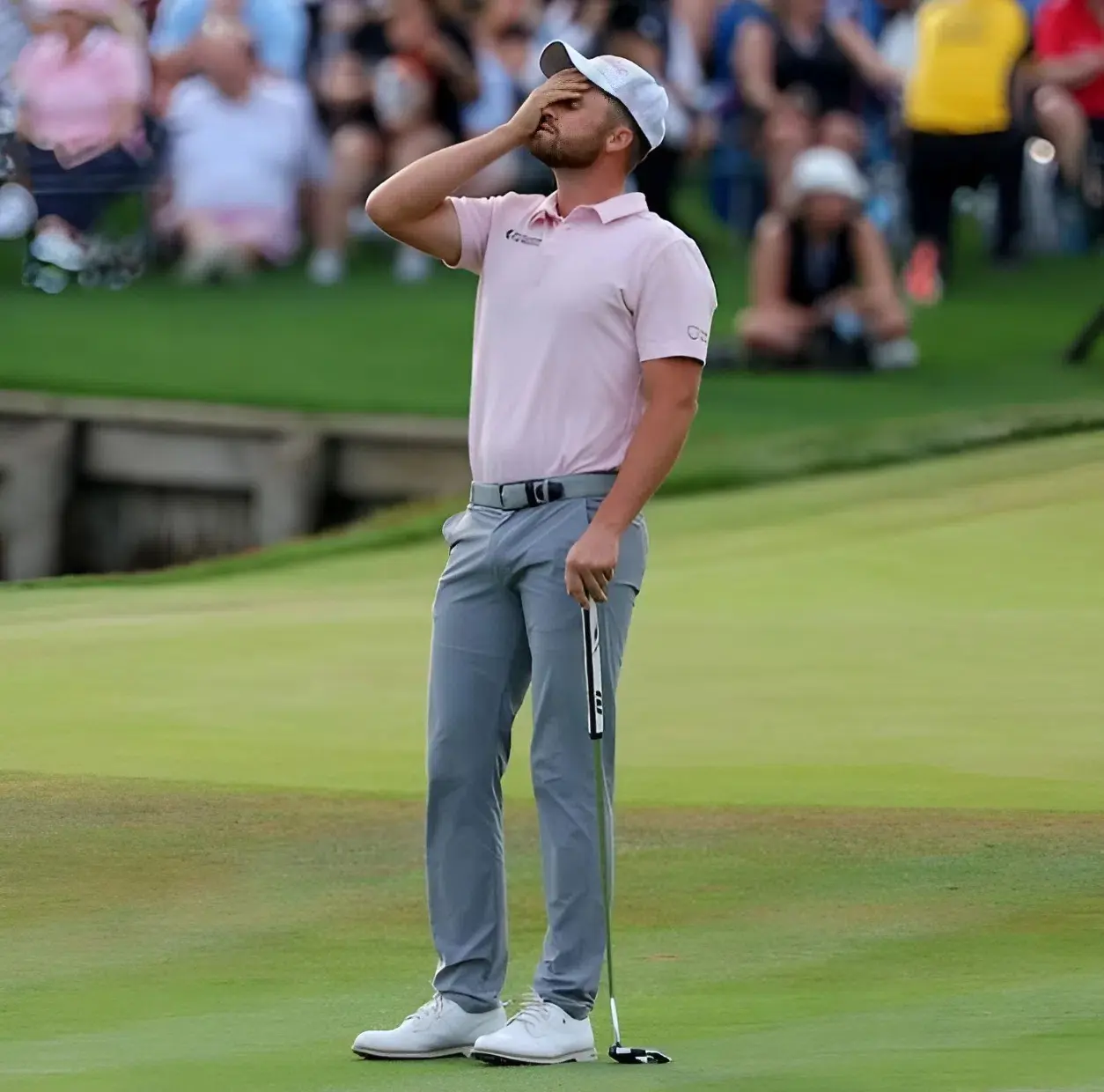
Professional golf continues to evolve while preserving core traditions. Modern players face intense scrutiny from live audiences, television coverage, and social media. Balancing authentic emotional responses with respect for golf’s heritage remains an ongoing topic of interest among stakeholders.
Clark’s career includes notable achievements and consistent participation in high-level events. His presence at major championships contributes to the competitive depth of the sport. The 2026 U.S. Open provided a platform where both his golfing ability and public persona were under examination.
Public commentary after tournaments frequently addresses multiple aspects of player performance. Technical analysis often combines with observations about attitude and interaction with fans. In Clark’s case, the focus included both his scoring and his visible reactions during the rounds.
The golf community encompasses diverse perspectives on appropriate on-course behavior. Some argue for greater acceptance of emotional displays, while others advocate preserving the sport’s traditional restraint. These discussions reflect broader societal shifts in how athletes express themselves.
Official tournament proceedings continued without interruption despite the fan reactions. The USGA and event organizers maintained standard protocols throughout the championship. Clark completed the tournament as part of the official field, with results verified according to established rules.
Sports psychology experts often note that managing emotions is a key component of elite performance. Visible frustration can occur even among highly experienced professionals. How players address such moments afterward can influence public perception and personal development.
Clark’s surprising action following the criticism has drawn attention. Many noted it as a positive step in the context of the surrounding conversation. This development has been included in post-tournament summaries and player profiles.
The U.S. Open remains one of golf’s most respected major championships. Its history includes numerous stories of triumph, challenge, and character. Player conduct continues to be part of the narrative that defines each edition of the event.
Fan engagement plays an important role in professional golf. Galleries contribute to the atmosphere and provide direct feedback. Interactions between players and spectators shape the overall experience of attending major championships.
Looking at the broader picture, professional golf encourages continuous dialogue about its values and standards. Incidents like the reactions to Clark help highlight areas where the sport may adapt while honoring its foundational principles.
Clark has demonstrated resilience throughout his career. Moving forward after challenging moments is a common requirement for success at the highest level. His participation in subsequent events will offer further context to his professional journey.
Media coverage of the 2026 U.S. Open included multiple angles on the week’s events. Reports addressed competitive outcomes alongside observations about player-fan dynamics. This comprehensive approach reflects the multifaceted nature of modern sports journalism.
The importance of maintaining golf’s unique culture remains a shared priority. Players, officials, and fans collectively contribute to preserving the sport’s integrity. Discussions prompted by individual tournaments support ongoing efforts to balance tradition with contemporary realities.
In professional athletics, public figures navigate high expectations. Emotional control is frequently tested in pressure situations. Clark’s experience at the U.S. Open adds to the collective learning within the golf world regarding these challenges.
As the golf season progresses, attention shifts to upcoming tournaments and continued storylines. Clark’s performance and conduct at the 2026 U.S. Open will be remembered as part of that year’s major championship narrative.
The sport benefits from open conversation about standards and expectations. Constructive feedback from fans and analysts helps shape the future direction of professional golf. Clark’s case serves as one example within these larger discussions.
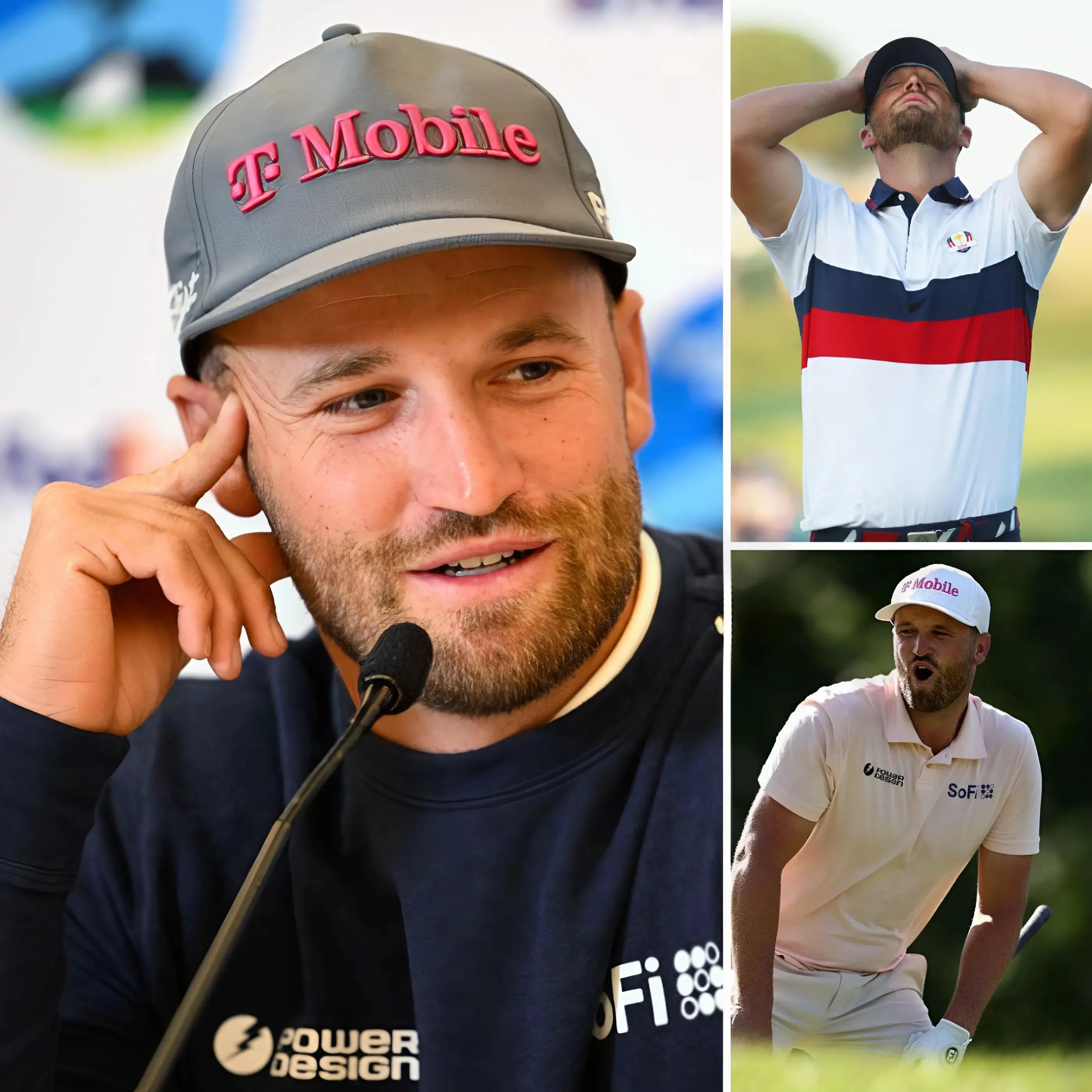
Wyndham Clark’s participation in the 2026 U.S. Open generated varied responses. The event highlighted both competitive aspects and questions of sportsmanship. His subsequent actions provided an additional element to the post-tournament analysis and reflection.
This episode underscores the complex relationship between athletes, fans, and tradition in golf. As the sport continues to grow globally, maintaining its distinctive character while embracing new perspectives remains an important consideration for all involved.