
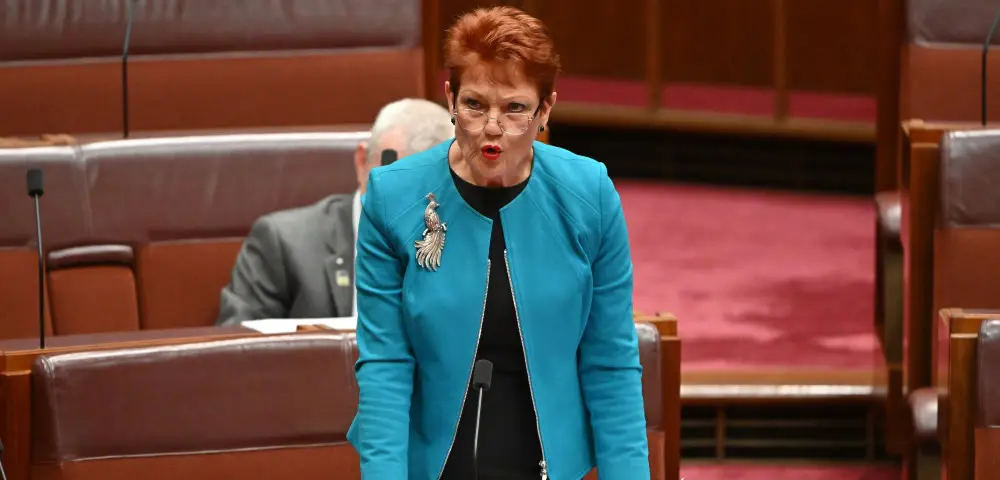
“Living comfortably on land taken from others — now when lawyers knock on the door, does she play the victim?” Pauline Hanson publicly mocks Billie Eilish. The sharp comment came straight from the Australian senator’s social media account on February 7, 2026, igniting a firestorm that crossed oceans in hours.
The controversy traces back to Sinai Law, a Los Angeles eviction firm, which declared it would offer pro bono services to the Tongva tribe. They cited Billie Eilish’s repeated public acknowledgments that she resides on “stolen land” as grounds for reclaiming her $14 million Hollywood Hills property.
Billie had made the statements during award shows and interviews, framing them as respectful recognition of Indigenous history in California. The firm argued those words constituted an admission that could support a legal claim under certain interpretations of historical title and modern equity principles.
Pauline Hanson seized the moment immediately. In a blistering post, she accused the singer of classic hypocrisy: loudly proclaiming moral awareness while enjoying immense wealth built on the very injustice she decried. The post included a screenshot of Billie’s Grammy remarks for maximum impact.
Within minutes the tweet exploded across platforms. Supporters flooded the comments praising Hanson for exposing what they called performative activism. Critics fired back, labeling her remarks cruel, opportunistic, and deliberately inflammatory toward a young artist.
Billie chose not to remain silent. Through a series of Instagram Stories she addressed the uproar directly, stating she never intended her words as a legal invitation. She emphasized genuine respect for Native history and dismissed the eviction threat as nothing more than a cynical publicity stunt.
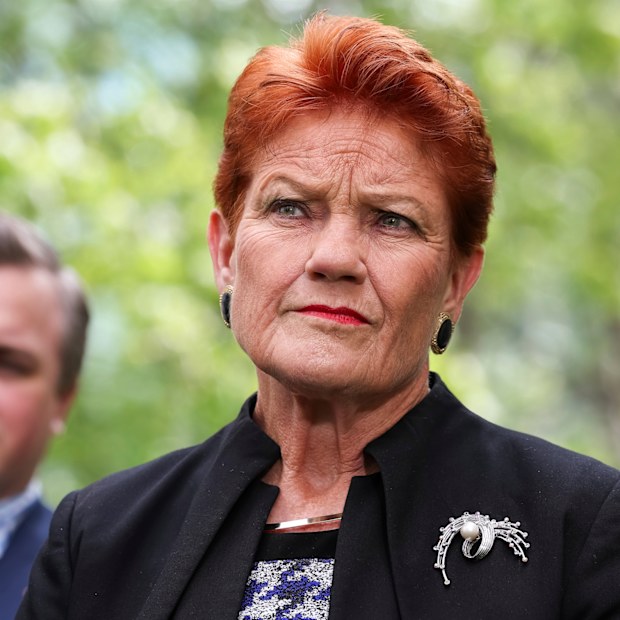
The Tongva tribe itself issued no official statement endorsing the law firm’s offer. Tribal representatives noted that land reclamation efforts are complex, community-led processes, not individual celebrity disputes. Many Indigenous voices expressed discomfort with the issue being co-opted for viral drama.
Hanson doubled down the following day with another video. She questioned whether Billie would actually relinquish assets or merely continue posting symbolic gestures. “Words are cheap when the mansion stays standing,” she declared, challenging the singer to match rhetoric with tangible commitment.
Public reaction split sharply along ideological lines. Conservative commentators hailed Hanson as a truth-teller unafraid of celebrity culture. Progressive outlets accused her of weaponizing Indigenous issues to score political points while ignoring Australia’s own unresolved land rights struggles.
Legal experts weighed in cautiously. Most agreed the eviction claim held little realistic chance in court. Property law in California rests on established titles, adverse possession statutes, and centuries of precedent that override oral acknowledgments or moral assertions.
Still, the symbolic weight mattered. The episode forced renewed scrutiny of land acknowledgment practices now common at concerts, universities, and corporate events. Were they meaningful reconciliation steps or empty rituals that allowed continued occupation without change?
Billie posted a longer reflection two days later. She reiterated willingness to engage in good-faith dialogue with Tongva leaders and announced plans to donate to Indigenous-led initiatives in California. She stopped short of promising to sell her home, calling such an act unrealistic and performative in its own way.
Hanson responded with characteristic bluntness. She welcomed the donation pledge but demanded proof of follow-through. In a follow-up interview she announced she would travel to Los Angeles the next week to meet community representatives and possibly Billie herself if invited.
The planned trip added fuel to an already raging debate. Media outlets speculated whether the meeting would occur, what tone it might take, and whether it could produce anything beyond headlines. Some saw potential for constructive dialogue; others predicted only more confrontation.
Celebrity reactions poured in from both sides. Musicians defended Billie’s right to speak on history without personal penalty. Actors and influencers criticized Hanson for punching down at a 24-year-old while living comfortably in her own nation built on contested land.
Indigenous activists used the moment to redirect attention. Several Tongva members and allies stressed that true restitution requires systemic policy changes—tribal sovereignty, repatriation of remains, environmental protection—not celebrity house disputes or social media feuds.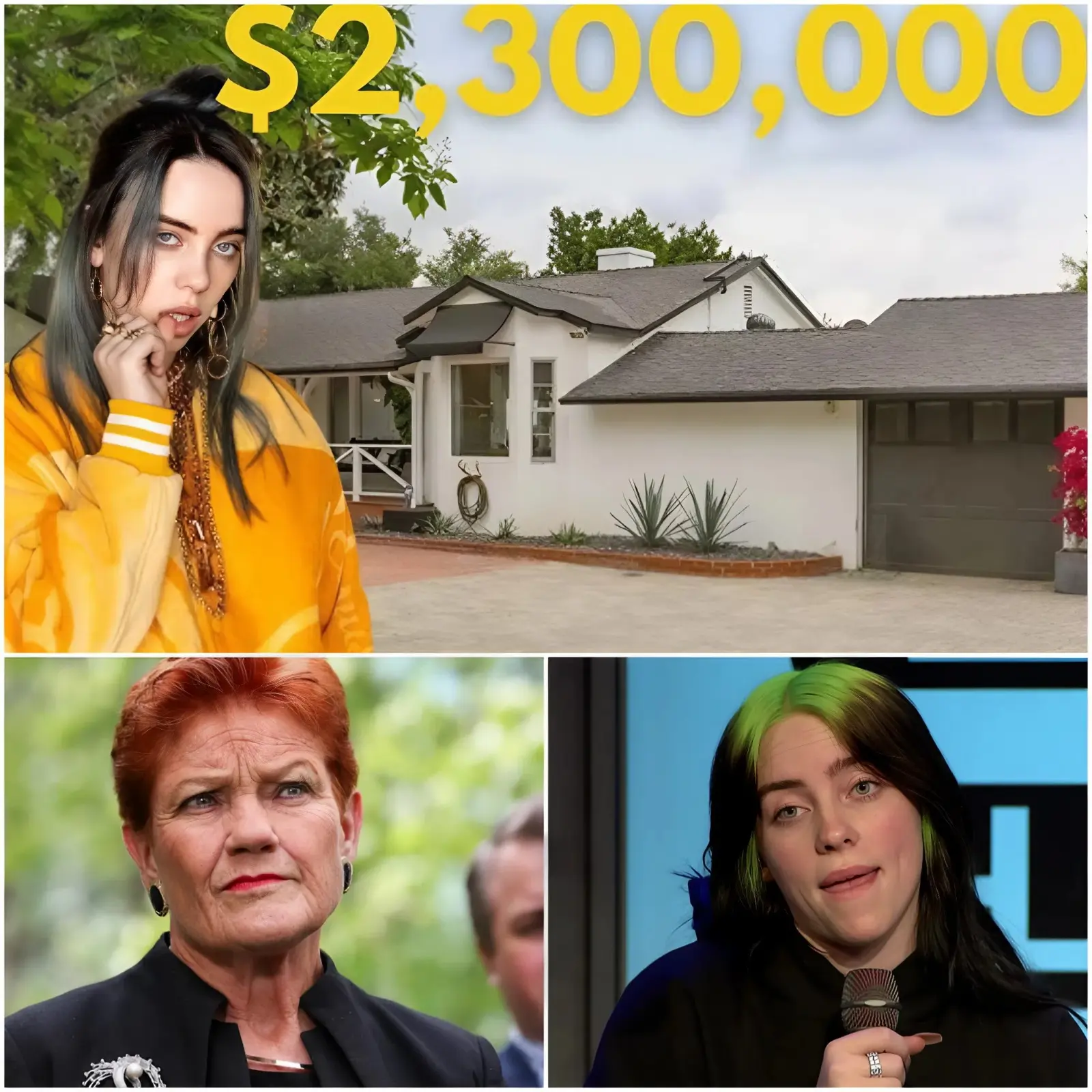
By mid-February the frenzy had peaked and begun to ebb. The law firm quietly removed its eviction notice draft from public view, citing “evolving circumstances.” No lawsuit materialized, confirming early predictions that the threat was largely theatrical.
Yet the conversation lingered. Universities tightened guidelines on land acknowledgments, emphasizing they should lead to action rather than substitute for it. Some corporations reviewed diversity statements to avoid similar vulnerabilities.
Pauline Hanson returned to Canberra without a publicized meeting with Billie. She posted a final update: “I said what needed saying. Now it’s up to her—and everyone else—to decide if words turn into deeds.” The senator moved on to domestic issues but left the exchange etched in public memory.
Billie resumed touring and recording, occasionally referencing reconciliation efforts in interviews. She avoided further direct engagement with Hanson, choosing instead to let actions speak where possible. The episode closed one chapter but opened broader questions about accountability, symbolism, and the gap between acknowledgment and restitution that no single celebrity or politician can fully resolve.