
“RETURN THE MONEY AND SHUT UP!” — Legendary athlete Eliud Kipchoge launched a fierce criticism against Kenyan President William Ruto amid a major controversy over public spending. This explosive moment captured national attention as Kipchoge demanded accountability for what many view as wasteful government expenditure during tough economic times in Kenya. The confrontation highlighted growing public frustration with leadership priorities when ordinary citizens face hardship daily.
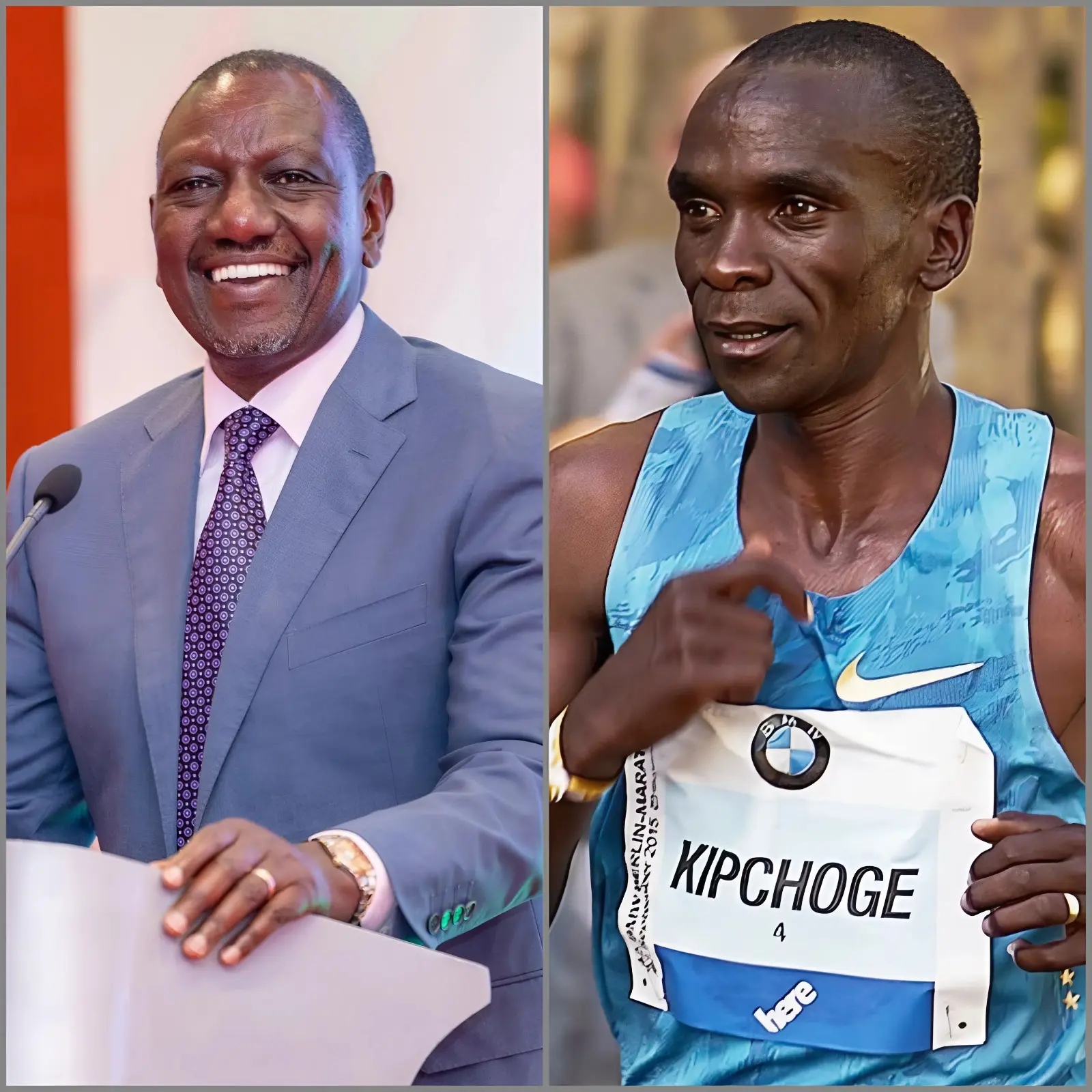
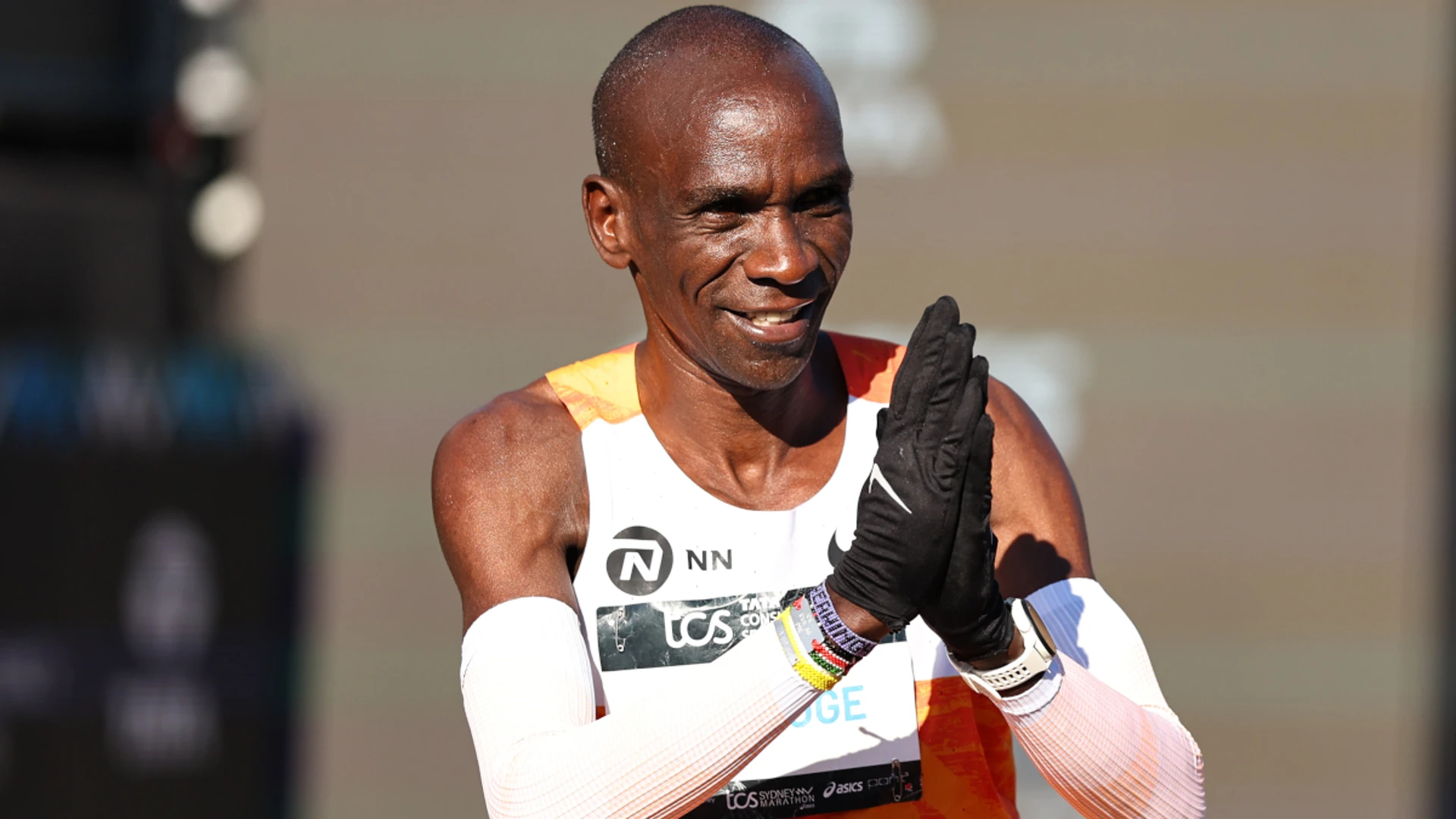
The statement from Kipchoge struck a chord because he represents Kenya’s greatest athletic success story on the global stage. As a two-time Olympic marathon champion and former world record holder, Kipchoge has long symbolized discipline, humility, and national pride. His rare entry into political discourse amplified the message, turning a sports icon into a voice for the struggling masses.
Kipchoge questioned the authority behind lavish spending on exclusive events and private jet travel while thousands of families barely survive month to month. This direct challenge resonated deeply in a country grappling with high inflation, unemployment, and rising living costs that have pushed many into poverty. His words echoed widespread sentiments that public funds should prioritize essential services over luxury.
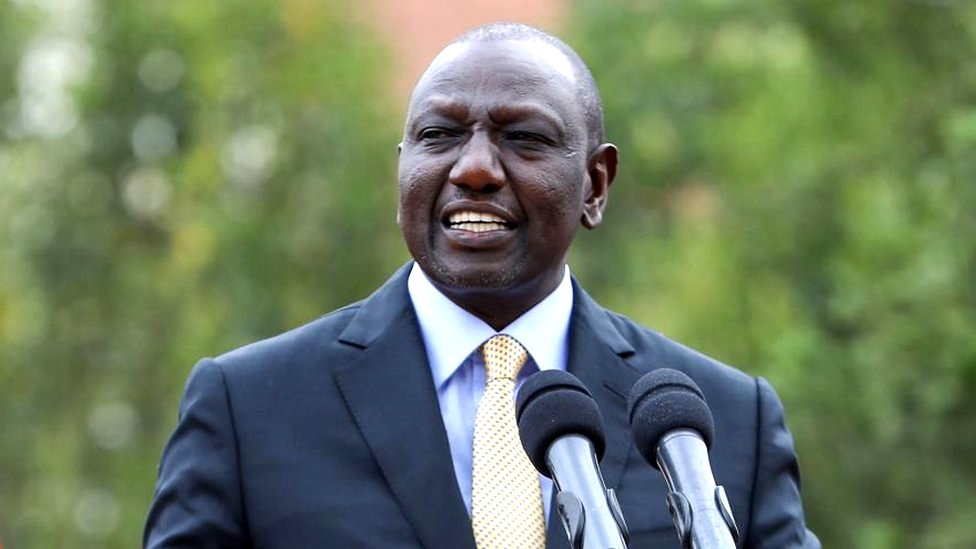
The host’s sharp interjection during the exchange left President Ruto visibly pale and tense, underscoring the intensity of the moment. Ruto’s aggressive response, labeling Kipchoge as an irrelevant marathon runner, appeared defensive and dismissive. Such a retort from the highest office seemed out of place against a figure revered as a national hero by millions of Kenyans.
Silence enveloped the studio for several seconds following the heated exchange, creating dramatic tension that viewers could feel through their screens. Then, thunderous applause broke out, signaling strong audience support for Kipchoge’s stance rather than the president’s defense. This reaction indicated shifting public opinion toward figures willing to speak truth to power.
Within minutes, social media platforms erupted with reactions, hashtags trending nationwide as users shared clips and expressed outrage. Calls for President Ruto’s resignation multiplied rapidly, transforming a single TV confrontation into a broader movement highlighting perceived contradictions in governance. The online frenzy demonstrated how quickly digital spaces amplify discontent in modern Kenya.
This incident exposes deep-seated contradictions within Kenyan society today, where economic inequality clashes with political promises of prosperity for all. Many citizens feel betrayed by policies that appear to favor elite interests over the needs of the majority. The contrast between lavish official lifestyles and everyday struggles fuels ongoing protests and demands for reform.
Public spending controversies have plagued the current administration for some time, with reports of high costs associated with international travel drawing particular ire. Critics argue that chartering expensive aircraft for official trips diverts resources from critical areas like healthcare, education, and infrastructure that could benefit ordinary Kenyans more directly.
In one notable case, the use of private jets for overseas visits sparked widespread backlash amid austerity measures imposed on the public. Defenses claiming such travel was necessary or cost-effective failed to quell anger, especially when taxpayers foot the bill during periods of financial strain for households across the nation.
Eliud Kipchoge’s intervention carries unique weight because of his apolitical reputation until this point. Known for his focus on training, philanthropy, and community development through running initiatives, his decision to speak out suggests frustration has reached even those typically distant from politics. This shift underscores the severity of current public discontent.
Kenya’s athletic community has long been a source of national unity and pride, producing global champions despite limited resources. When a figure like Kipchoge critiques leadership, it signals that even symbols of success feel compelled to address systemic issues affecting society at large. His voice adds credibility to calls for fiscal responsibility.
The president’s dismissal of Kipchoge as irrelevant may backfire significantly in public perception. Labeling a living legend who has brought immense honor to Kenya risks alienating supporters who view athletics as integral to national identity. Such rhetoric could deepen divisions rather than bridge them during turbulent times.
Social media’s rapid response illustrates the power of digital platforms in shaping political narratives today. Hashtags demanding accountability spread virally, mobilizing youth and urban populations who feel most impacted by economic policies. This online mobilization often translates into street protests, pressuring authorities for change.
Broader context reveals ongoing tensions over governance in Kenya, including allegations of corruption, excessive executive spending, and failure to deliver on economic promises. Public trust has eroded through repeated controversies, making even minor incidents spark major outrage when they touch on sensitive issues like money management.
Kipchoge’s demand to return money symbolizes a broader call for transparency and prudent use of public resources. Citizens increasingly scrutinize how taxes are spent, especially when basic needs remain unmet for large segments of the population. This scrutiny reflects maturing democratic expectations in the country.
The applause in the studio represented more than mere approval of one individual’s words; it signaled collective frustration bubbling beneath the surface. Many Kenyans feel their voices are ignored in policy decisions, making moments like this cathartic outlets for pent-up emotions against perceived elite indifference.
President Ruto’s administration has faced repeated criticism for prioritizing image and international engagements over domestic priorities. Lavish events and travel are seen by detractors as disconnected from realities on the ground, where joblessness and cost-of-living pressures dominate daily conversations in homes and markets.
In contrast, Kipchoge embodies values of hard work, perseverance, and simplicity that resonate with ordinary people. His global achievements came through dedication rather than extravagance, making his critique of wasteful spending particularly poignant and hard to dismiss lightly by those in power.
This confrontation may mark a turning point in how public figures engage with political issues in Kenya. If respected icons from sports or other fields begin voicing similar concerns, it could broaden opposition beyond traditional political actors and energize civil society movements demanding accountability.
Economic hardships have intensified calls for leadership that prioritizes citizens over personal or ceremonial comforts. With inflation affecting food prices and essential goods, any appearance of excess at the top fuels resentment and erodes legitimacy of those in authority.
The incident also highlights media’s role in facilitating such debates, providing platforms where direct challenges can occur live. Television studios become arenas for national conversations, where body language, tone, and immediate reactions convey messages as powerfully as spoken words themselves.
Looking ahead, sustained pressure from public figures and citizens could force policy shifts toward greater fiscal discipline and social equity. Ignoring widespread discontent risks further alienation and instability in a nation already navigating complex political and economic challenges.
Ultimately, Kipchoge’s bold stand serves as a reminder that national heroes can transcend their fields to advocate for justice and fairness. When even they feel compelled to speak, the issues at hand demand serious attention from all stakeholders committed to Kenya’s future prosperity.
The viral nature of the event ensures it will be referenced for years, symbolizing a moment when public tolerance for perceived extravagance reached a breaking point. It underscores the need for leaders to align actions with the lived experiences of those they serve.
In conclusion, this dramatic TV exchange between a sporting legend and the head of state captures the essence of current societal tensions in Kenya. It exposes fractures that require genuine dialogue, reform, and renewed commitment to public welfare over personal indulgence.