
In the hushed chambers of Australia’s Senate on August 26, 2025, Senator Pauline Hanson rose to pose a question that cut through the usual political rhetoric. She held up a letter from Services Australia, dated July 2, 2025, which outlined eligibility for the stillborn baby payment of $4,326.57. The document revealed an unexpected detail: the payment could apply in cases of intentional abortion after 20 weeks gestation or when the fetus weighed 400 grams or more.
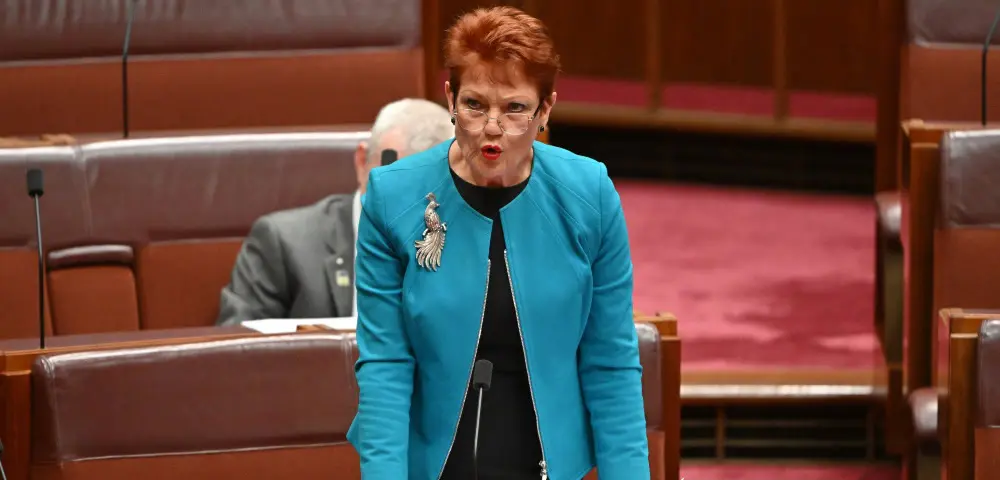
Hanson addressed Minister Katy Gallagher directly, questioning why taxpayer funds supported such outcomes. She emphasized that One Nation backed genuine support for families facing tragic stillbirths, but drew a sharp line against deliberate terminations. The payment, she argued, blurred the distinction between unintended loss and chosen endings.
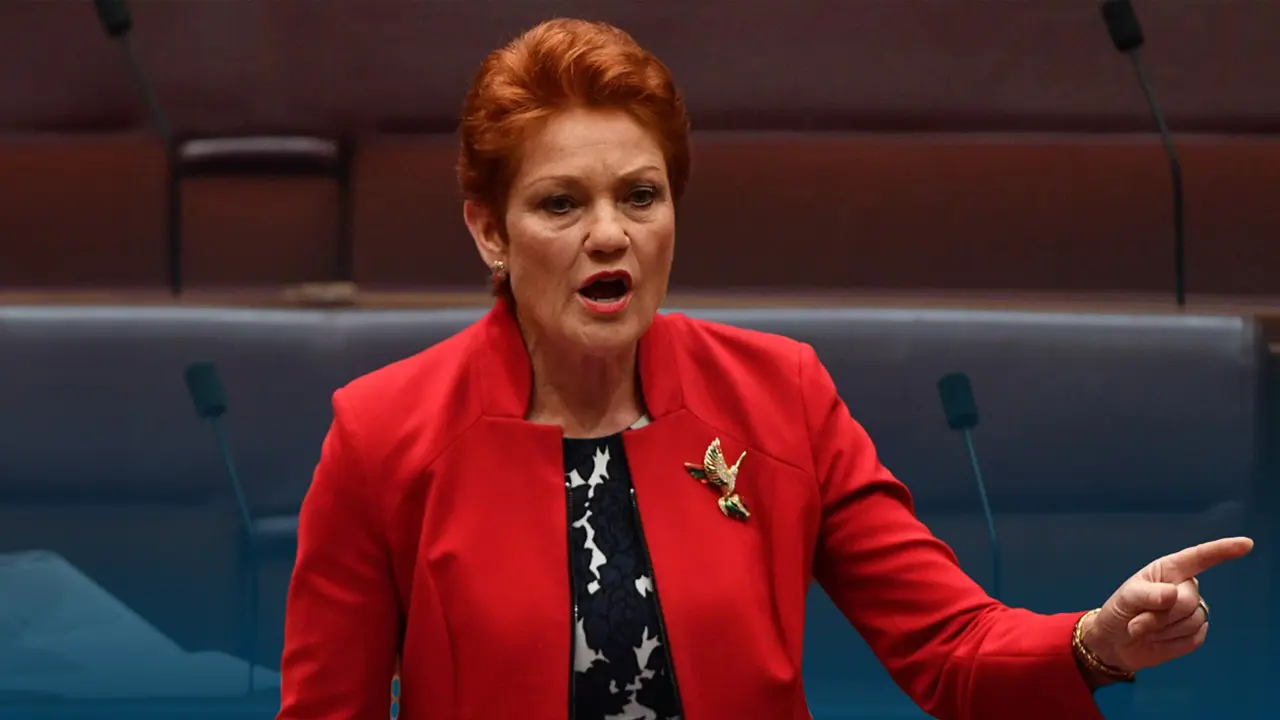
The Senate fell silent as Hanson pressed further. She described the policy as risking a financial incentive for late-term procedures, potentially up to the day before birth. Under current rules, women could access not only the lump-sum but also paid parental leave worth up to $22,754 in some scenarios, compounding the issue.
Gallagher responded by explaining the definition of stillbirth aligned with tax and welfare laws, focusing on medical criteria rather than intent. She maintained the government had no aim to encourage abortions and followed established guidelines. Yet Hanson interrupted, insisting the minister avoided the core concern: why fund deliberate acts with public money.
The exchange highlighted a deeper divide in Australian politics over reproductive rights and fiscal responsibility. Hanson labeled the loophole appalling, calling late-term abortions barbaric when elective. She urged collaboration to amend the rules, restricting payments strictly to non-intentional stillbirths.
Social media erupted soon after clips circulated online. Supporters praised Hanson for exposing what they saw as misuse of funds, while critics accused her of politicizing grief and stigmatizing women’s choices. The controversy reignited debates about abortion access, especially in later stages where procedures are rare but heavily regulated.
Services Australia’s criteria stemmed from long-standing legislation defining stillbirth for welfare purposes. A fetus delivered without signs of life after 20 weeks or meeting weight thresholds qualified, regardless of cause. This broad framing, intended to aid grieving parents, inadvertently included elective cases.
Hanson’s persistence stemmed from her consistent stance on family values and taxpayer accountability. As leader of One Nation, she frequently challenged policies she viewed as eroding traditional norms. The stillborn payment issue fit her pattern of spotlighting perceived government overreach or moral inconsistencies.
The Albanese government faced mounting pressure following the session. While defending the existing framework, officials acknowledged calls for review. Some advocates for abortion rights warned changes could restrict support for women in complex medical situations, where late procedures often involved severe fetal anomalies.
Conservative voices, including Coalition members like Barnaby Joyce and Andrew Hastie, later echoed similar concerns during debates on related bills. They referenced the Hanson exchange when discussing amendments to paid parental leave laws, arguing safeguards were needed against unintended applications.
Public reaction split along ideological lines. Pro-life groups hailed the revelation as evidence of systemic bias toward abortion funding. Progressive organizations countered that conflating stillbirth with abortion undermined compassion for all losses and ignored medical realities.
Hanson refused to back down in follow-up statements. She shared posts reiterating the policy’s obscenity, stressing it created perverse incentives. One Nation pledged to push legislation closing the gap, ensuring payments honored only tragic, unavoidable losses.
The incident underscored tensions in Australia’s abortion landscape. While most terminations occur early, late-term cases spark intense scrutiny. Regulations vary by state, but federal welfare ties added a national fiscal dimension to the moral debate.
Critics of Hanson accused her of sensationalism, claiming few late-term abortions qualified and most involved dire circumstances. Data showed such procedures remained exceptional, often requiring multiple medical approvals and driven by health risks.
Yet the loophole persisted because definitions prioritized outcome over intent for administrative simplicity. Changing it risked complicating claims for genuine stillbirth families, who already navigated profound grief without added bureaucracy.
Hanson’s question forced a reckoning with that simplicity. By framing it as taxpayer-funded choice for ending life, she shifted discourse from compassion to accountability. The Senate exchange became a flashpoint in ongoing culture wars.
Months later, related bills like amendments for stillbirth leave drew renewed scrutiny. Some MPs voted against or abstained, citing fears of overlap with elective terminations. The debate highlighted how welfare policies intersect with deeply personal decisions.
Ultimately, the controversy exposed vulnerabilities in well-meaning laws. Intended to support bereaved parents, the stillborn baby payment inadvertently extended to scenarios many found ethically troubling. Hanson’s bold intervention amplified those concerns nationwide.
As discussions continued into 2026, calls for reform grew. Whether the loophole closes depends on political will across parties. For now, it stands as a reminder that even compassionate systems can harbor unintended consequences when boundaries blur.
The episode reinforced Hanson’s role as a provocateur unafraid of divisive topics. By asking what others avoided, she compelled Australia to confront uncomfortable truths about public funding, reproductive autonomy, and the value placed on life at every stage.