
In the heart of a vibrant stadium during the international match between France and Norway, a statement from the mouth of Ståle Solbakken, the experienced coach of the Norwegian team, went around the world in just a few minutes. “Since I became a coach, I have never seen such a talented player,” he said at a press conference, his eyes still full of admiration after the heavy 4-1 defeat suffered by his men against the Blues.
This sentence, pronounced with disarming sincerity, immediately ignited social networks, French television sets and the passionate discussions of supporters around the world. What stunned public opinion the most? The name spoken by the Norwegian technician was neither that of Michael Olise nor that of Désiré Doué, two young talents often highlighted lately, but that of a player whose performance that evening eclipsed all expectations.
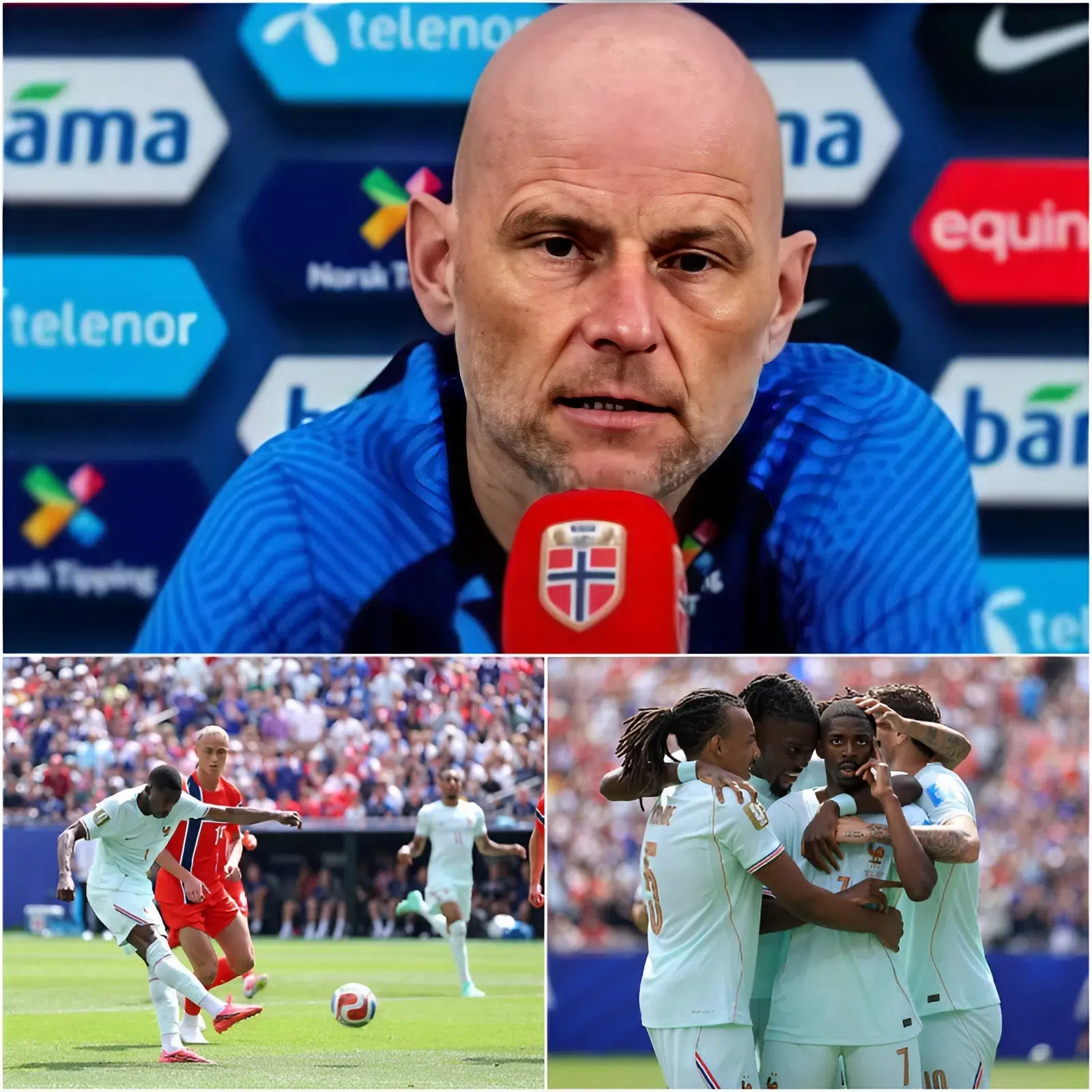
The French 4-1 victory against Norway is part of a series of friendly or preparation matches which precede the major events. On the pitch, the Blues delivered a successful performance, combining offensive efficiency, defensive solidity and moments of great individual class. But beyond the score, it was the performance of a particular player that caught Solbakken’s attention. The Norwegian coach, known for his frankness and his demands, did not mince his words.
He praised with rare intensity the domination, the vision of the game and the maturity of an element of the French workforce which, until now, did not always occupy the front of the media scene.
The reactions were quick. On social networks, hashtags linked to the player mentioned exploded. Some French supporters, surprised and proud, saw in this declaration international recognition of the depth of the Blues squad. Others, more skeptical, recalled that Solbakken was perhaps seeking to minimize his team’s defeat by highlighting an exceptional opponent. In Norway, the local press repeated the sentence, with some journalists wondering if the coach had not been too generous in his praise after a difficult evening.
The match in detail: a French demonstration
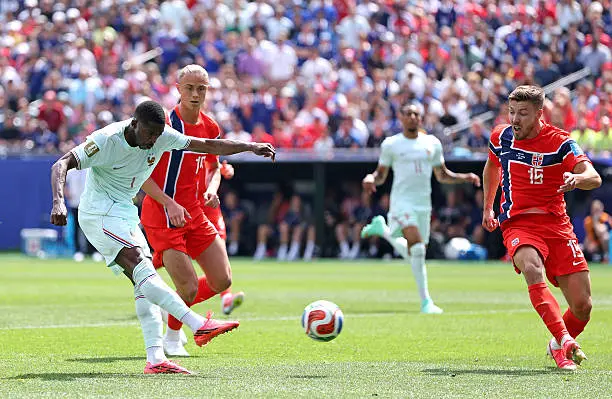
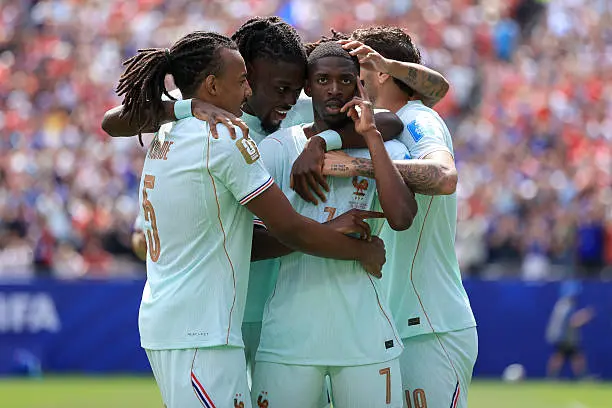
From the first minutes, France imposed its rhythm. The Norwegians, well organized as a middle block, tried to resist thanks to their usual tactical discipline. But the Blues quickly found the flaws. The first goal came from a perfectly orchestrated collective action, followed by a second thanks to a dazzling individual breakthrough. Norway managed to reduce the gap before half-time with a well-executed set piece, but the second half turned into a nightmare for the Scandinavians.
The four French goals highlighted the variety of weapons at the French coach’s disposal: speed on the wings, physical presence in the center and creativity in midfield. It is precisely in this last register that the player praised by Solbakken shone brightly. His assists, his intelligent placement, his ability to project himself forward while remaining available for defensive withdrawals have impressed even the most demanding observers.
“He sees the game before everyone else, he has this rare elegance that reminds us of the greatest,” added Solbakken, developing his analysis.
Michael Olise and Désiré Doué, although in great form in recent months with their respective clubs, also delivered solid performances. Olise brought his usual speed and percussion, while Doué brought his technique to the small spaces. But it was not them that Solbakken chose to place at the top of his personal pantheon that evening. This unexpected choice amplified the impact of his words and relaunched the debate on hierarchy within the France team.
Who is this player who conquered Solbakken?
Without entering into unnecessary speculation, the performance of this French midfielder or striker was unanimously praised by technical observers. His ability to dictate the tempo, combine with attackers and be decisive in key moments transformed an already favorable match into a real demonstration. At a time when the French team is seeking to rebuild or consolidate its identity after several intense competitions, such recognition from a direct opponent takes on particular value.
Ståle Solbakken, who has coached several European clubs and knows continental football inside out, is not one to hand out compliments lightly. His career, made of rigor and success in demanding championships, gives him certain credibility. When he says he has “never seen such a talented player” since the start of his coaching career, it resonates as a rare and powerful tribute.
French commentators immediately reacted: some saw it as confirmation of the immense potential of the new generation, others as a welcome spotlight on a player who deserved more recognition.
Media and popular impact
In France, sports debate shows played on this statement in a loop. Historical consultants like Didier Deschamps or former players were asked to give their opinion. Most praised the elegance of Solbakken’s gesture, while recalling that football remains a team sport where each individual performance is part of a team project. Supporters, for their part, have multiplied video montages highlighting the actions of the player concerned, further strengthening his aura.
Across the border, in Norway, the defeat was digested with bitterness, but the praise of their own coach paradoxically restored a little pride. “Even in defeat, we saw a very high level in the face,” summarized a Norwegian media outlet. This fair-play attitude contrasts with certain more virulent reactions observed in other international meetings.
Prospects for the French team
This 4-1 victory and the praise that accompanies it comes at a strategic time. The French team, rich in talent, must still refine its automatisms and confirm its domination on the international scene. The player highlighted by Solbakken suddenly becomes a central element of discussions around team composition. Will he become an indisputable holder? Will its influence continue to grow during future meetings?
Observers agree that the depth of the French bench constitutes one of its greatest strengths. As established stars continue to perform, new faces emerge and capture attention. Solbakken’s declaration acts as a catalyst: it forces us to look differently at the internal hierarchy and to value those who, through their consistency and brilliance, deserve the spotlight.
A tribute that goes beyond the sporting framework
Beyond the purely technical aspects, this sentence from Ståle Solbakken reminds us that football remains a sport of emotions and mutual respect. In a world often criticized for its excess pressure, money and controversies, an opposing coach who publicly recognizes the exceptional talent of an opposing player brings a welcome touch of humanity. It is also a message addressed to young footballers around the world: work, perseverance and talent end up being recognized, even by those you face.
The days following this meeting will be rich in analyses. Videos of the acclaimed player’s actions will circulate massively. Tactical experts will dissect every movement, every pass, every call. And in the midst of this excitement, the main person concerned will have to keep a cool head to continue to progress and help the French team aim for the highest objectives.
The 4-1 victory against Norway will be remembered not only for the score, but above all for this moment of pure admiration expressed by Ståle Solbakken. A statement that transcends borders, unites lovers of the beautiful game and reminds us why football continues to fascinate millions of people across the planet.
In the weeks to come, the French team will continue its journey with increased confidence. The Blues now know that they have an additional jewel, recognized even by their most direct opponents. As for Solbakken, his honesty earned him general respect, even in defeat. Football sometimes needs these moments of grace where competition gives way to the pure appreciation of talent. That evening, after an intense match, a Norwegian coach provided one of those rare moments.