
Maria Thompson had worked at the American Airlines Center in Dallas for nearly twelve years, long enough to see championships celebrated and dreams quietly shattered. She was the kind of employee who arrived before sunrise, checking turf conditions and ensuring every corner of the facility was immaculate.
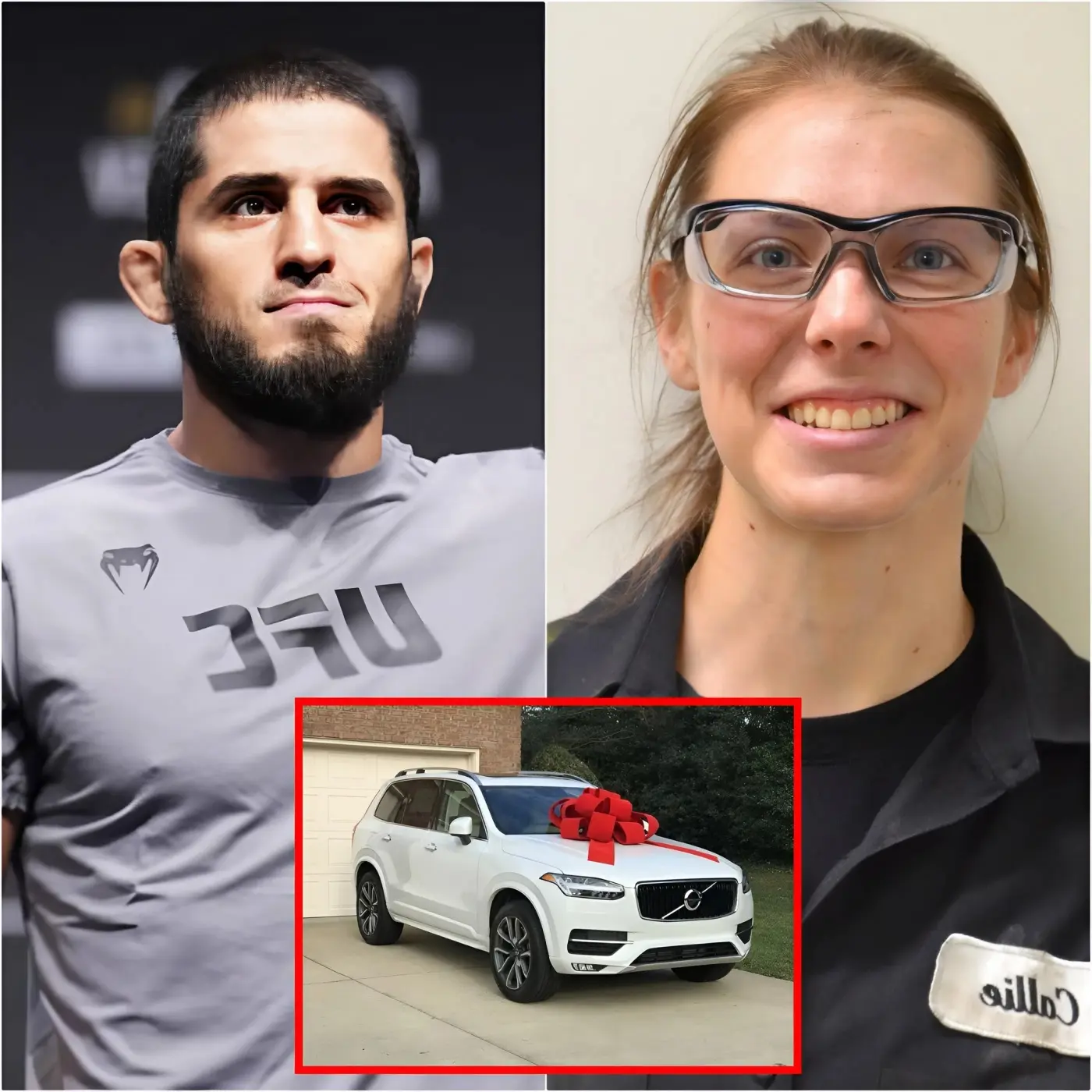
Her job title was maintenance supervisor, but in truth she did everything. She repaired leaking pipes, repainted scuffed hallways, and sometimes even consoled nervous young athletes before big events. The pay was modest, the hours long, yet she carried herself with pride.
Outside of work, life was less forgiving. Maria lived in a small rented house on the outskirts of Dallas, balancing bills carefully each month. Medical expenses from her late husband’s illness still lingered, and her aging pickup truck required constant repairs.
Still, she rarely complained. Colleagues described her as steady and kind, someone who believed that dignity came not from wealth but from honest effort. She kept a thermos of coffee in her locker and a small notebook listing daily maintenance tasks.
In early spring, the American Airlines Center prepared to host a major mixed martial arts event. Fighters from around the world arrived for training sessions and media appearances. Among them was lightweight champion Islam Makhachev, widely respected for discipline and humility.
Maria had heard his name before but knew little about the sport itself. To her, athletes were guests who needed safe, clean facilities. She treated superstars and rookies the same, offering directions with a polite smile.
On the evening that changed her life, the arena parking lot was nearly empty. A cold wind swept across the concrete as Maria finished inspecting an outdoor lighting issue near the training entrance. She noticed a dark SUV parked awkwardly beside the curb.
Beside the vehicle stood Makhachev, crouched near the rear tire. He appeared calm but clearly inconvenienced. One of his team members was on the phone, likely searching for roadside assistance. The tire had deflated completely.
Maria hesitated only briefly before approaching. Years of maintaining facility vehicles had given her practical mechanical skills. She asked if they needed help, introducing herself simply as part of the maintenance staff.
Makhachev thanked her warmly, surprised but appreciative. Together they examined the tire. Maria fetched a portable air compressor and a basic tool kit from her service cart, moving with efficient confidence.
As they worked under the dim parking lights, conversation flowed easily. Makhachev asked about her job and how long she had worked at the arena. Maria answered modestly, never mentioning financial struggles or personal hardships.
Within twenty minutes, they determined the tire had a puncture too severe for temporary repair. Maria suggested installing the spare. With steady hands, she helped secure the jack and loosen the lug nuts, guiding the process carefully.
The champion insisted on doing most of the physical lifting himself, but he listened attentively to her instructions. When the spare was finally in place, he expressed genuine gratitude, shaking her hand firmly.
Before leaving, he asked if she was sure everything was all right with her own vehicle. Maria laughed lightly and admitted her truck had seen better days but still ran reliably enough. She wished him luck in his upcoming bout.
The exchange seemed simple, almost forgettable in the grand rhythm of arena life. Maria clocked out that night unaware that her kindness had left a deeper impression than she realized.
Makhachev later asked members of his team about the woman who had helped him. They learned her name and position. He was struck by how she had offered assistance without expectation, treating him like any other person.
In interviews, Makhachev often spoke about humility instilled during his upbringing in Dagestan. He believed success meant lifting others when possible. That belief quietly guided his decision the following day.
The next morning, Maria stepped onto her porch before dawn, coffee mug in hand. Parked neatly along the curb was a gleaming white pickup truck, far newer than anything she had ever owned.
At first she assumed it belonged to a neighbor. Then she noticed a small envelope tucked beneath her front door. Her hands trembled slightly as she opened it.
Inside was a handwritten note thanking her for kindness and professionalism. The message explained that the truck outside was a gift, meant to replace her aging vehicle and ease her daily commute.
Maria felt disbelief wash over her. She stepped toward the truck, noticing dealership tags and a full tank of fuel. Neighbors peeked from windows, equally stunned by the unexpected sight.
She immediately contacted arena management, unsure how to respond. Within hours, confirmation arrived: the vehicle had been purchased by Makhachev through a local dealership and delivered quietly before sunrise.
News traveled quickly through staff corridors. Colleagues gathered around Maria, some cheering, others wiping tears. For many of them, it felt like validation that their behind-the-scenes work mattered.
When asked later why he chose such a generous gesture, Makhachev downplayed it. He stated that true character is revealed not inside the octagon but in everyday interactions with ordinary people.
Maria initially worried about public attention. She had never sought recognition and preferred anonymity. Yet she also understood that the story might inspire others to extend simple acts of kindness.
Local reporters soon contacted the arena, eager to verify details. Photographs of Maria standing beside the truck circulated online. Many were moved by the contrast between global sports fame and quiet generosity.
For Maria, the greatest impact was practical. The new pickup eliminated constant repair costs and allowed her to consider taking additional evening courses at a community college, something she had postponed for years.
She also felt renewed confidence at work. Walking through the corridors of the American Airlines Center, she sensed a shift. Athletes and staff alike greeted her more warmly, aware of the story that connected her to a champion.
Despite the attention, Maria remained grounded. She continued arriving early, checking plumbing lines and inspecting electrical panels. The arena lights still needed maintenance, regardless of headlines or social media praise.
In private conversations, she admitted that the gesture restored her faith during a difficult period. Financial pressure had weighed heavily, and she sometimes questioned whether her efforts made any difference.
The white truck became more than transportation; it symbolized recognition. It reminded her that integrity and readiness to help, even in small moments, could echo far beyond expectation.
Makhachev returned to competition weeks later, winning his bout decisively. During the post-fight interview, he briefly mentioned the importance of respecting everyone who contributes to an event’s success.
He did not elaborate, but those who knew the story understood the reference. In the vast machinery of professional sports, maintenance workers rarely stand in the spotlight. Yet without them, arenas could not function safely.
Maria sometimes reflects on that chilly evening in the parking lot. She remembers the simplicity of the task, the metallic smell of tools, and the quiet gratitude exchanged beneath stadium lights.
She insists she would have helped any stranded driver, champion or not. That conviction remains central to her identity. Generosity, she believes, is not transactional but instinctive.
The American Airlines Center continues to host major events, from basketball games to concerts. Each time Maria drives her white pickup into the employee lot, she feels a subtle reminder of how quickly circumstances can shift.
Colleagues occasionally tease her about her connection to a world champion, but she responds with a smile. For her, the story is less about fame and more about shared humanity.
In a city as large as Dallas, moments of connection often pass unnoticed. Yet this one resonated widely because it illustrated mutual respect across vastly different walks of life.
Experts in sports culture note that such gestures strengthen community bonds. When high-profile athletes demonstrate humility, it challenges stereotypes and reinforces values beyond competition.
Maria’s life is not suddenly luxurious. Bills still arrive, and work remains demanding. But she no longer worries about whether her vehicle will break down on a late-night drive home.
More importantly, she carries renewed optimism. The experience reminded her that kindness can return in unexpected forms, sometimes amplified by those with the means to make a difference.
As for Makhachev, he continues training with relentless focus, yet stories like this reveal dimensions beyond athletic achievement. They show a man mindful of the invisible hands that support every event.
On quiet evenings, when the arena empties and echoes replace roaring crowds, Maria sometimes pauses near the parking lot entrance. She glances toward the spot where a flat tire once changed her trajectory.
Life, she has learned, rarely announces its turning points. Sometimes they arrive disguised as ordinary inconveniences, waiting for someone willing to step forward and help.