
Prince William, the Prince of Wales, has once again become the focus of public discussion following renewed scrutiny of the number of official royal engagements he has carried out this year. The debate has prompted questions from commentators, royal observers, and members of the public about the responsibilities of the future king and how his role is evolving within the modern monarchy.
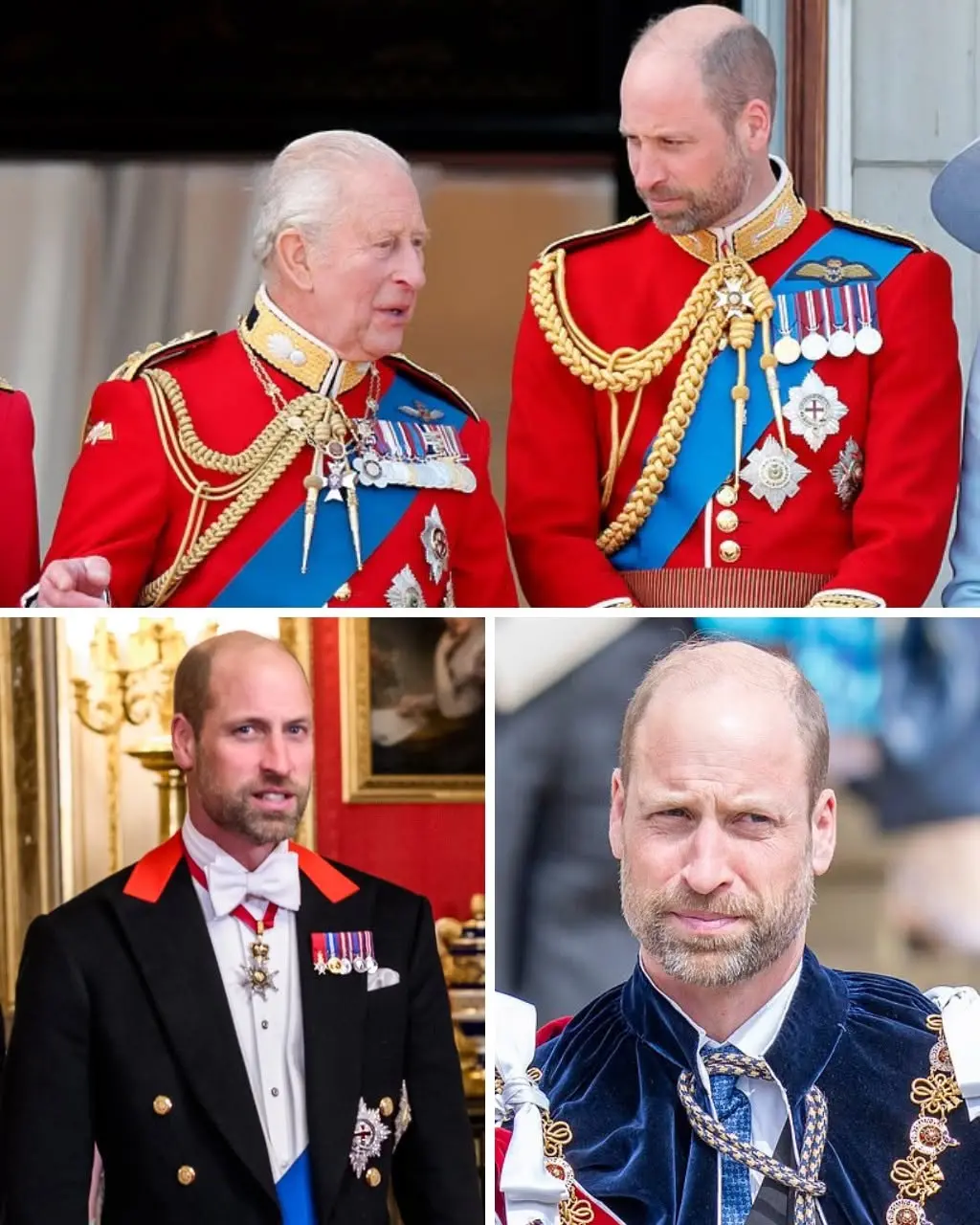
The conversation emerged after several reports highlighted official figures relating to royal engagements undertaken by senior members of the Royal Family. These statistics have been widely discussed in British media, where royal duties and public appearances are often closely monitored and compared from year to year.
As heir to the British throne, Prince William occupies one of the most prominent positions within the monarchy. His responsibilities include supporting King Charles III, representing the Crown at official events, leading charitable initiatives, and engaging with organizations across the United Kingdom and internationally.
Public interest in the Prince of Wales has increased significantly in recent years. Following the accession of King Charles III and William’s elevation to Prince of Wales, expectations surrounding his public role have naturally grown. Many observers view him as a central figure in shaping the monarchy’s future direction.
Recent discussions have focused on whether the number of engagements completed by Prince William accurately reflects the scale of responsibilities associated with his position. Some commentators have argued that engagement totals provide a useful measure of royal activity, while others suggest that such figures do not tell the complete story.
Royal engagements traditionally include visits to charities, meetings with community groups, attendance at ceremonial events, diplomatic activities, and appearances supporting national causes. The Court Circular, which records official royal duties, is often used as a reference point for measuring activity among members of the Royal Family.
Critics who have questioned Prince William’s engagement numbers argue that the future king should maintain a highly visible schedule given his constitutional significance. They believe that public engagement remains one of the monarchy’s most important functions and that senior royals should continue demonstrating their commitment through frequent appearances.
Supporters of the Prince of Wales offer a different perspective. They note that royal work has changed considerably in recent years and that traditional engagement counts may not fully capture the scope of modern responsibilities. According to this view, quality and long-term impact may be as important as the quantity of public appearances.
Many royal analysts have pointed out that Prince William has increasingly focused on projects designed to deliver measurable outcomes over extended periods. His initiatives often involve sustained partnerships with charities, community organizations, environmental groups, and experts rather than relying solely on traditional ceremonial appearances.
One of the most significant examples of this approach is the Earthshot Prize, an environmental initiative launched by Prince William to encourage innovative solutions to global environmental challenges. Since its creation, the project has attracted international attention and has become one of the defining elements of his public work.
The Prince of Wales has also dedicated substantial time to issues involving homelessness through the Homewards program. The initiative seeks to bring together local communities, charities, businesses, and public authorities to develop practical strategies aimed at reducing homelessness across selected regions of the United Kingdom.
Supporters argue that projects such as Earthshot and Homewards require extensive planning, consultation, and leadership that may not always be reflected in official engagement statistics. They suggest that evaluating royal contributions solely through appearance totals risks overlooking broader strategic responsibilities.
At the same time, critics maintain that visibility remains essential for the monarchy. They argue that public appearances provide opportunities for direct engagement with citizens and help strengthen the connection between the Royal Family and the communities they serve throughout the country.
The debate has become particularly noticeable because of comparisons with other senior royals. Historically, members of the Royal Family such as Queen Elizabeth II and Prince Philip were known for carrying out exceptionally high numbers of engagements over many decades of public service.
However, royal experts frequently caution against direct comparisons between different generations. The monarchy operates in a changing social, political, and technological environment, and the expectations placed upon younger royals differ significantly from those faced by previous generations.
Another factor influencing public perceptions is Prince William’s family life. Together with Catherine, Princess of Wales, he is raising three children while balancing public responsibilities. The family has often emphasized the importance of providing Prince George, Princess Charlotte, and Prince Louis with as normal a childhood as possible.
This emphasis on family responsibilities has become a recurring theme in discussions about William’s workload. Supporters argue that maintaining a balance between public service and family commitments reflects modern expectations of leadership and demonstrates a relatable approach to parenting.
Critics, meanwhile, contend that senior constitutional roles inevitably require significant public commitments and that members of the Royal Family must accept heightened expectations because of the privileges and responsibilities associated with their positions.
The discussion has also unfolded against the backdrop of a challenging period for the Royal Family. Health concerns affecting senior members, including King Charles III and Catherine, Princess of Wales, have drawn public attention and influenced royal schedules over the past year.
These circumstances have required adjustments to official duties and public appearances across the institution. Observers note that periods of uncertainty often increase scrutiny of individual royals as the public seeks reassurance regarding the monarchy’s stability and future leadership.
Prince William has continued to undertake official engagements during this period, including visits across the United Kingdom and participation in events related to mental health, environmental conservation, emergency services, youth development, and community support initiatives.
Mental health advocacy remains one of the Prince of Wales’s most prominent priorities. Over the years, he has worked alongside various organizations to encourage discussions about emotional well-being and to reduce stigma surrounding mental health challenges affecting individuals and families.
His work in this area has frequently involved collaboration with Catherine, Princess of Wales, and Prince Harry during earlier stages of their public initiatives. Although circumstances have changed over time, mental health remains an important component of William’s public agenda.
Environmental issues also continue to occupy a central place in the Prince of Wales’s activities. Through Earthshot and related engagements, he has promoted innovation, sustainability, and international cooperation aimed at addressing environmental challenges affecting communities around the world.
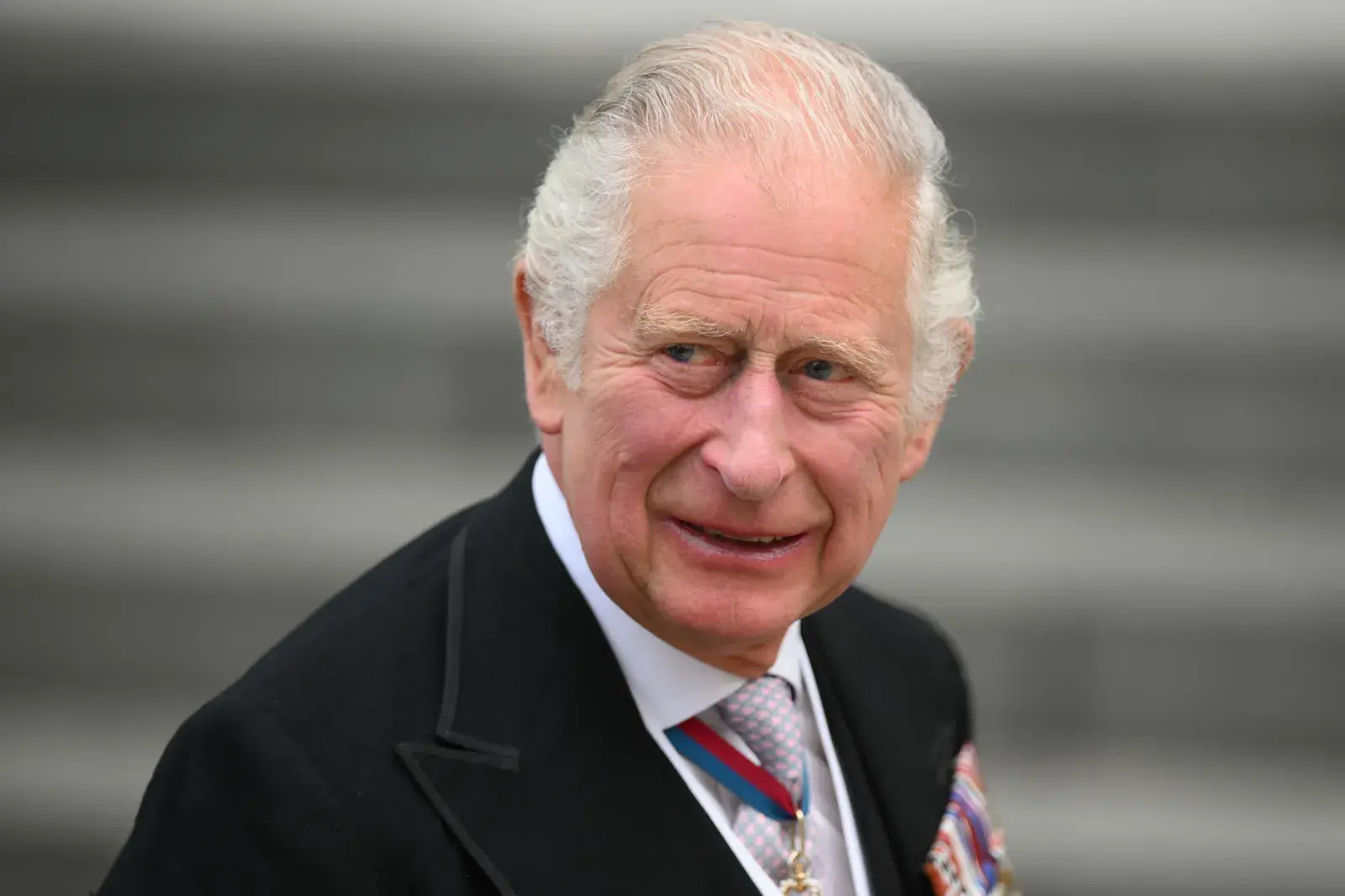
Those defending William’s record argue that many of these projects require extensive preparation behind the scenes. Meetings with experts, planning sessions, stakeholder consultations, and strategic development work may not always appear in public engagement statistics despite representing substantial commitments of time.
Royal commentators frequently note that the role of the future king extends beyond ceremonial duties. As heir to the throne, Prince William is expected to prepare for eventual constitutional responsibilities while simultaneously contributing to charitable and public service initiatives.
This dual responsibility creates unique pressures that differ from those experienced by many other public figures. Balancing preparation for future kingship with current obligations requires careful management of time, resources, and public expectations.
Public opinion on the issue remains divided. Some individuals believe the future king should increase the number of visible engagements he undertakes each year, while others feel that his emphasis on long-term projects reflects a more modern and effective model of royal service.
Media coverage has often amplified these differing viewpoints. Headlines questioning engagement numbers frequently generate discussion, while supporters respond by highlighting achievements that may be less visible but potentially significant in terms of long-term social impact.
The broader question raised by the debate concerns how royal effectiveness should be measured in the twenty-first century. Traditional engagement counts provide one metric, but many observers argue that influence, leadership, and project outcomes should also be considered.
Institutions across society increasingly emphasize measurable impact rather than activity alone. Some analysts therefore suggest that evaluating royal work requires a combination of quantitative and qualitative measures rather than relying exclusively on appearance totals.
For Prince William, such discussions are likely to continue as he moves closer to eventually becoming king. Every aspect of his public role attracts attention because of the significance of the position he will one day inherit within the constitutional framework of the United Kingdom.
The scrutiny itself reflects the enduring public interest in the British monarchy. As one of the most recognized members of the Royal Family, Prince William remains subject to ongoing examination of his decisions, priorities, and approach to public service.
Royal historians note that future heirs have frequently faced similar assessments throughout history. Public expectations often evolve alongside changing social conditions, leading each generation of royal leaders to encounter unique forms of evaluation and criticism.
Whether measured through engagement totals, charitable initiatives, policy influence, or public visibility, Prince William’s performance as Prince of Wales will continue to be analyzed closely. The discussion demonstrates the challenges associated with balancing tradition and modernization within a centuries-old institution.
Ultimately, the current debate highlights differing views regarding the role of a future monarch in contemporary society. While critics emphasize the importance of visible public activity, supporters point to strategic leadership and long-term projects as equally important indicators of effective service.
As public conversations continue, the available evidence confirms that Prince William remains actively engaged in a wide range of charitable, environmental, and community-focused initiatives. The question of whether he is doing enough remains a matter of opinion, but official records and public projects demonstrate an ongoing commitment to his role as the future king.