
“Who the hell do you think you are?” Just a mediocre fighter! You’ve only won a few insignificant bouts, completely worthless in the world of elite boxing!” — the explosive remark attributed to Karoline Leavitt has detonated like a shockwave across the global sports landscape, igniting controversy, polarizing public opinion, and unleashing a media firestorm that shows no sign of slowing down.
According to clips that began circulating online at lightning speed, the alleged confrontation unfolded during a televised discussion segment meant to explore the growing crossover between politics, culture, and combat sports. What began as a routine exchange reportedly escalated within seconds, culminating in the now-viral quote that has dominated headlines, debate panels, and social media timelines worldwide.
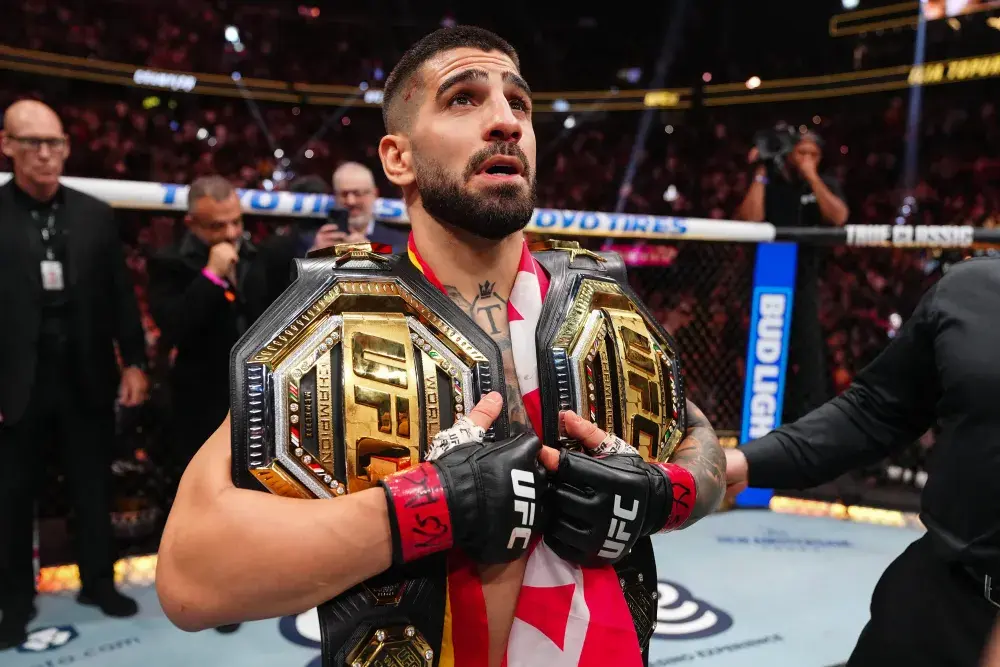
Whether viewed as an unscripted emotional outburst or a calculated provocation, the statement instantly drew backlash from fans, fighters, and analysts who condemned the language as dismissive and inflammatory. Combat sports communities, in particular, reacted fiercely, arguing that such remarks undermine the discipline, sacrifice, and legitimacy of professional fighters who dedicate their lives to the sport.
Yet the most dramatic moment of the incident came not from the initial comment — but from the response that followed.
Only minutes after the remark spread through the studio and beyond, Ilia Topuria — widely respected for his composure under pressure — reportedly took hold of the microphone. Witnesses described a palpable shift in the atmosphere: the noise inside the studio faded, cameras tightened their focus, and even panelists who had been speaking moments earlier fell silent.
Topuria did not raise his voice. He did not interrupt. Instead, he fixed his gaze directly toward the lens and delivered a measured yet piercing reply — one that observers say cut through the tension with surgical precision.
Though accounts differ slightly regarding his exact phrasing, what remains undisputed is the effect. The room, once buzzing with confrontation, fell into complete stillness. Producers hesitated. Commentators froze. And millions watching from home sensed that they were witnessing a moment far bigger than a televised debate.
Analysts later noted that Topuria’s response stood out not for aggression, but for restraint. Rather than escalate the conflict, he reframed it — shifting the focus from personal attacks to respect, merit, and the realities of professional fighting. In doing so, he transformed what could have devolved into spectacle into a statement on dignity under pressure.
Reaction across digital platforms was immediate and overwhelming. Hashtags linked to the exchange trended globally within hours. Supporters praised Topuria’s calm authority, describing his reply as “ice-cold,” “classy,” and “devastating without being disrespectful.” Even some critics who initially tuned in for controversy acknowledged that his composure elevated the discourse.
Meanwhile, scrutiny around Leavitt intensified. Commentators dissected her words, debating whether they reflected personal opinion, rhetorical strategy, or simple misjudgment. Media outlets replayed the moment repeatedly, each broadcast amplifying the emotional stakes and public fascination.
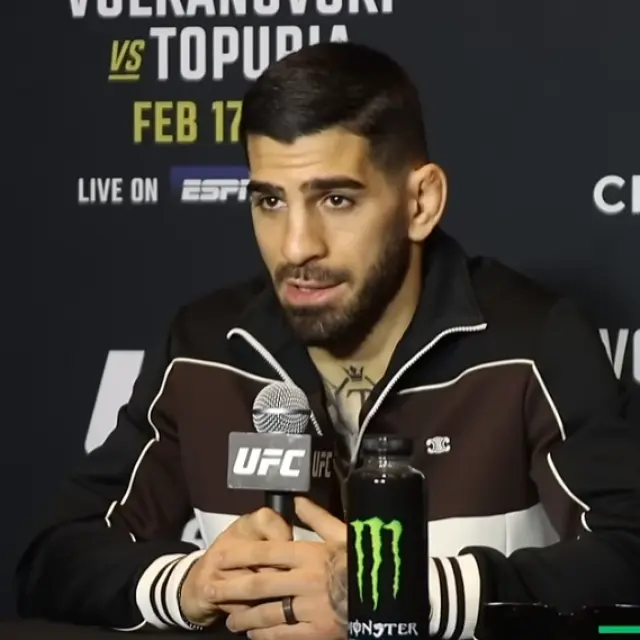
Public relations experts weighed in as well, noting how rapidly reputational dynamics can shift in the digital era. A single unscripted remark, they argued, can redefine public perception overnight — especially when contrasted with a poised counterresponse.
Inside the combat sports world, fighters rallied in defense of their profession. Veterans spoke about the physical and psychological toll of elite competition, emphasizing that no victory at the highest level is “insignificant.” Trainers, promoters, and former champions echoed similar sentiments, framing the controversy as a reminder of the respect fighters expect — and deserve.
The incident also reignited discussion about the intersection of politics and sport. As athletes become more visible in cultural and political conversations, so too do they become targets of critique from outside the sporting sphere. The exchange, many argued, symbolized that growing friction.
Broadcast insiders later described the aftermath inside the studio as “tense but controlled.” Production reportedly cut to an unscheduled break shortly after the exchange, allowing the panel to regroup. When programming resumed, the tone had shifted dramatically — less confrontational, more reflective.
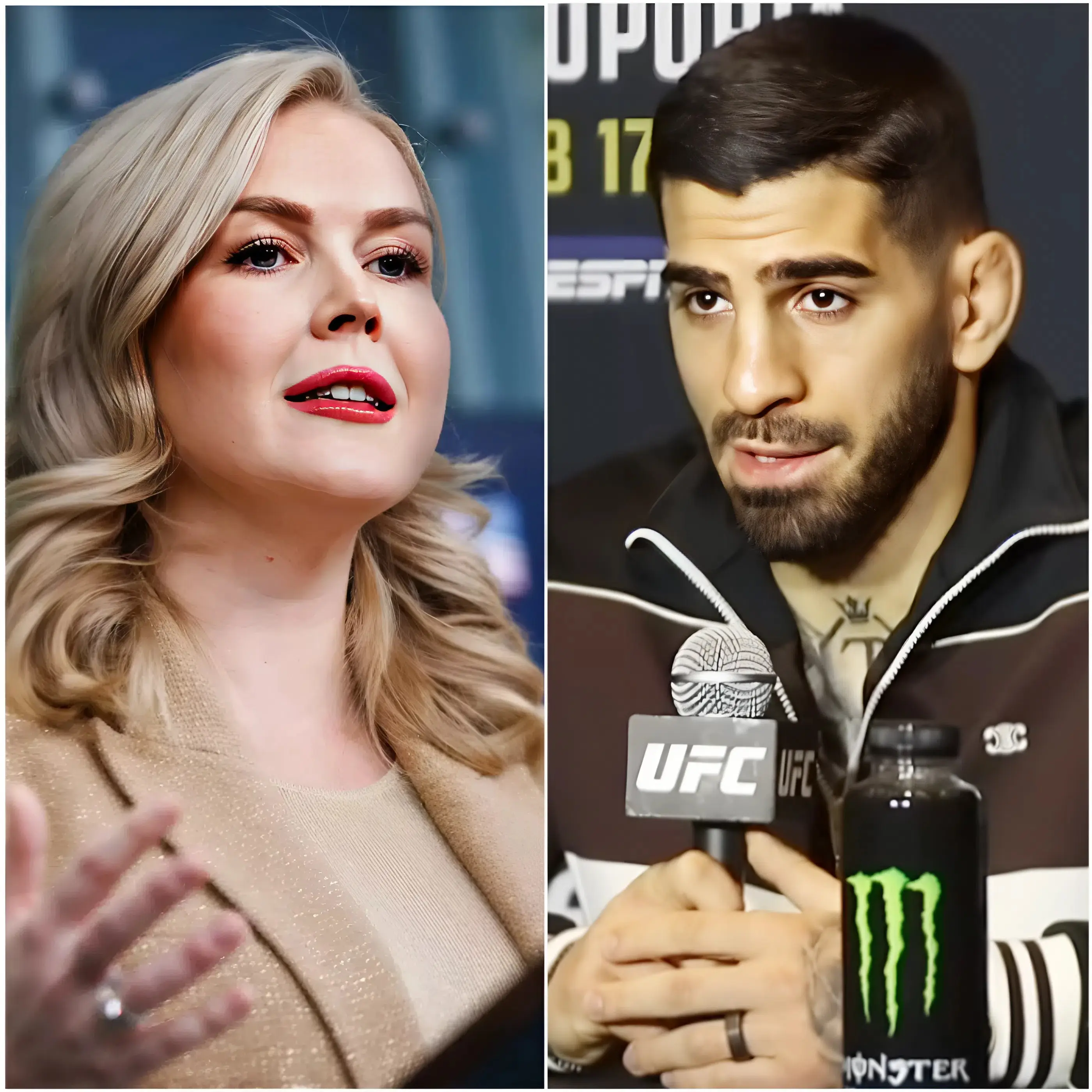
For Topuria, the moment may prove defining beyond the cage. Already known for his competitive ferocity, he is now being discussed in equal measure for his verbal discipline and psychological composure. Sponsors, media strategists, and brand analysts have pointed out that such moments often expand an athlete’s influence far beyond sport.
For Leavitt, the road ahead will likely involve navigating reputational fallout while clarifying intent. Public figures, communications experts note, often face heightened accountability when commenting on disciplines outside their own.
Regardless of perspective, the exchange has cemented itself as one of the most talked-about media flashpoints linking combat sports and public discourse in recent memory. It underscores how quickly narratives can ignite — and how powerfully they can resonate when pride, identity, and respect collide on a global stage.
What began as a heated remark has evolved into something far larger: a case study in pressure, poise, and the unpredictable theater of live broadcast.
And if the viral reaction is any indication, the world isn’t done talking about it yet.